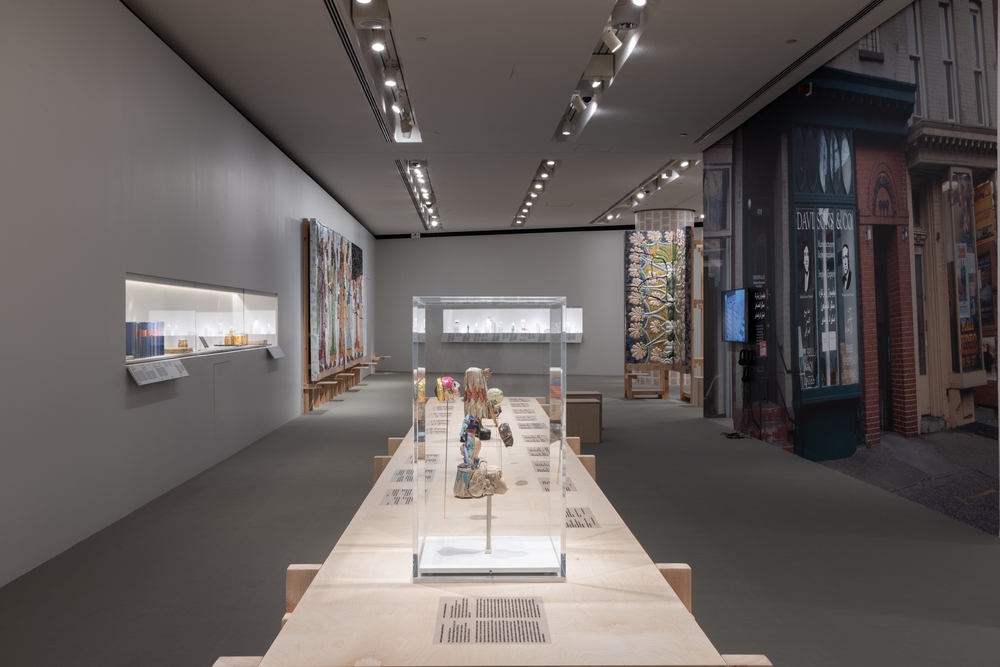

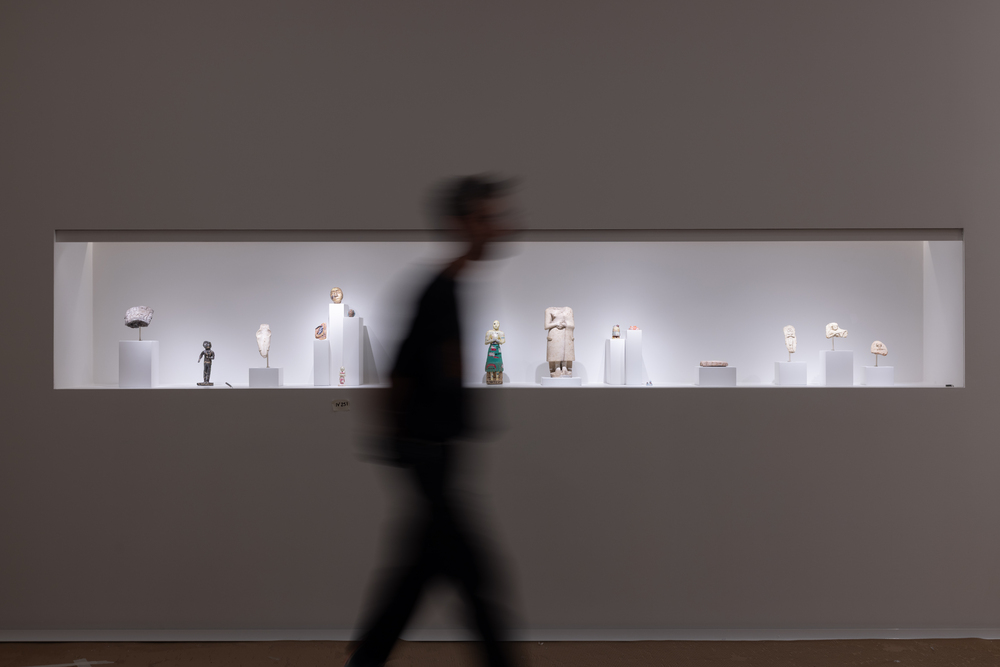
Allspice | Michael Rakowitz & Ancient Cultures is the first exhibition in a collaboration between the Hellenic Ministry of Culture, the Acropolis Museum, and NEON, featuring the work of Iraqi-American artist Michael Rakowitz in dialogue with ancient artefacts from the Middle East and the eastern Mediterranean.
In a landmark collaboration between the Hellenic Ministry of Culture, the Acropolis Museum, the Ephorate of Antiquities of Athens, and the NEON Organization, the exhibition trilogy Michael Rakowitz & Ancient Cultures unfolds as a profound meditation on cultural memory, displacement, and the ethical imperative of restitution. Through a series of interconnected exhibitions running from 2025 to 2026, internationally acclaimed Iraqi-American artist Michael Rakowitz initiates an urgent dialogue between contemporary artistic expression and the enduring legacies of ancient civilizations from the southeastern Mediterranean and the Middle East.
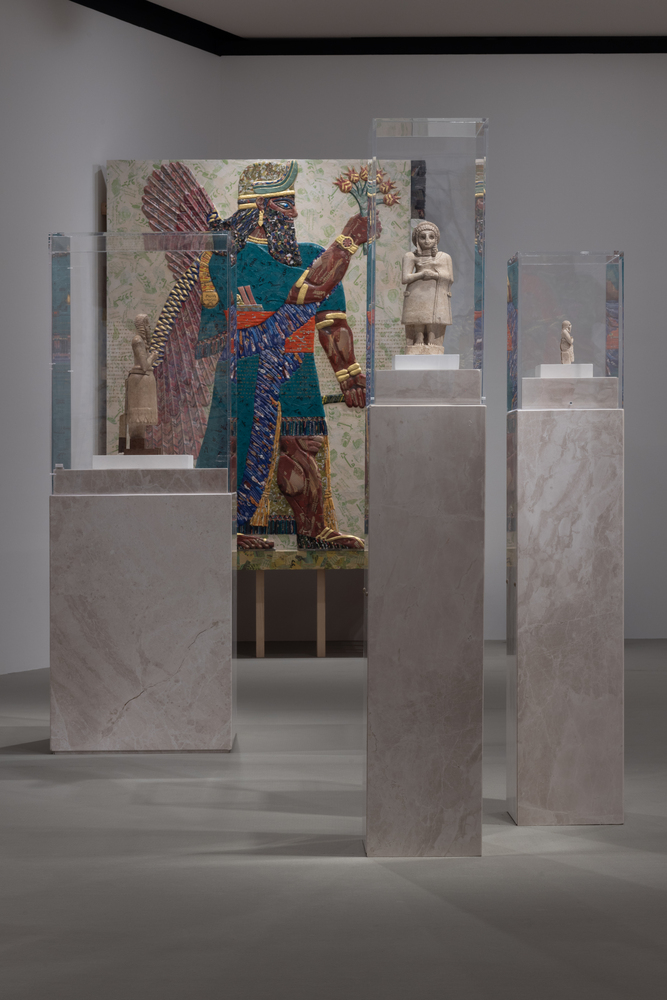
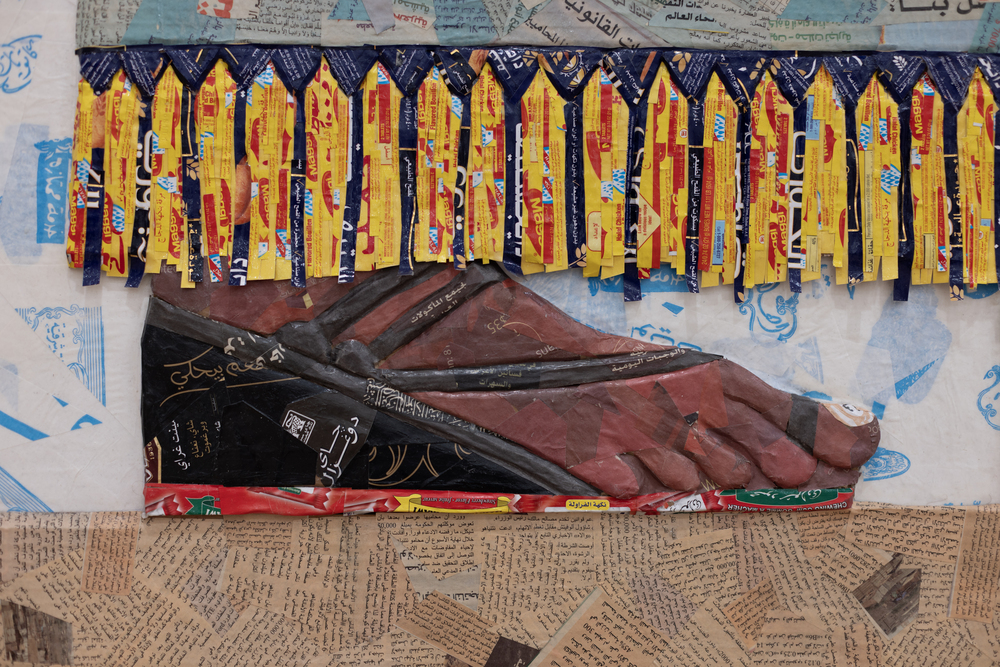
The trilogy commences with Allspice, hosted at the Acropolis Museum’s Temporary Exhibition Gallery from May to October 2025. Curated by Professor Nikolaos Chr. Stampolidis, Director General of the Acropolis Museum, and Elina Kountouri, Director of NEON, the exhibition juxtaposes Rakowitz’s works with ancient artefacts from the University of Chicago’s Institute for the Study of Ancient Cultures and the Zintilis Collection of Cypriot Antiquities. Central to the presentation is Rakowitz’s long-standing project The invisible enemy should not exist, wherein Assyrian reliefs lost to war and looting are “reappeared” in papier mâché, composed from Middle Eastern food packaging and diaspora publications. These recreated artefacts, marked by deliberate absences, transform loss into witness and trauma into presence.
In any discussion about antiquities, one should insist on a fundamental distinction: are the refugees or prisoners?
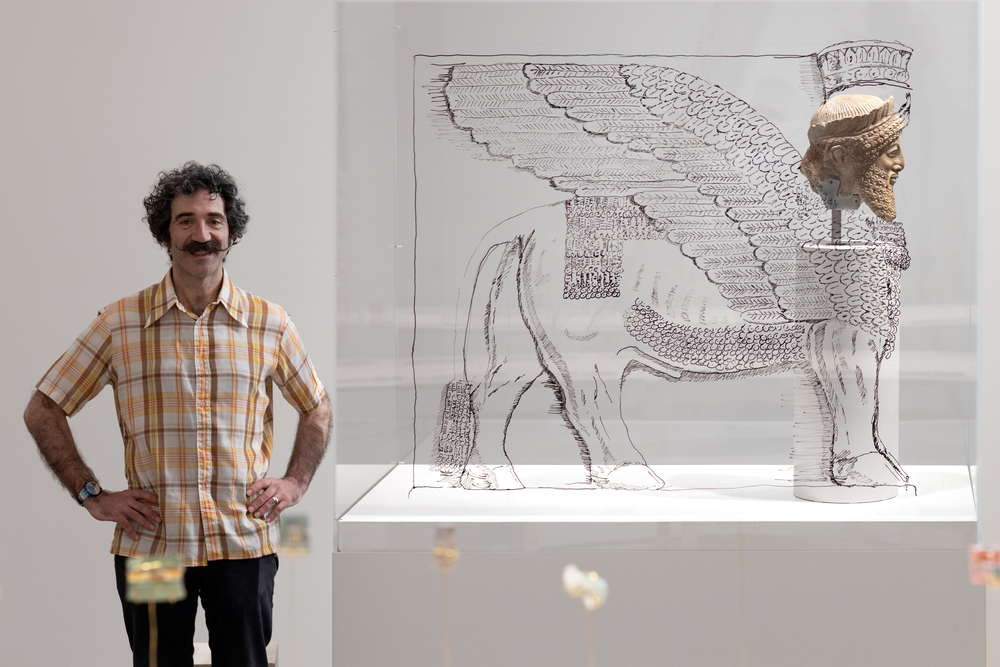
The title Allspice, drawn from handwritten recipes by Rakowitz’s Iraqi Jewish mother, encapsulates themes of migration, exile, and cultural continuity. Allspice—a single spice with complex flavor profiles—becomes a metaphor for diasporic identity: multifaceted, syncretic, and resilient. The exhibition’s narrative is further enriched by three new commissions. Among them, A Baghdadi Amba Dictionary preserves diasporic language and culinary memory through jars of homemade pickled mango, each etched with terms passed down maternally. Elsewhere, Study for a Lamassu in spolia overlays the body of the Assyrian deity Lamassu onto a Cypriot sculpture, suggesting a symbolic union of fragmented histories through the ancient practice of reuse and adaptation.
Rakowitz’s engagement with the politics of cultural patrimony continues in the second phase of the trilogy. In October 2025, Lamassu of Nineveh—originally commissioned for Trafalgar Square’s Fourth Plinth—will be installed in the exterior space of the Acropolis Museum. Standing 4.3 meters tall and built from cans of Iraqi date syrup, the sculpture revives a monumental Assyrian figure destroyed in Set against the archaeological and civic landscape of Athens, the Lamassu evokes both guardianship and mourning—an emblem of survival amid erasure.
The final act, opening in 2026 at the Old Acropolis Museum, delves deeper into themes of diaspora, memory, and reconstruction. Here, the humble brick becomes a metaphor for continuity—carrying the soil of origin, the weight of history, and the potential for renewal. Artefacts drawn from diverse contexts collectively narrate the experience of fragmentation and reassembly, inviting reflection on identity and belonging.
Through this trilogy, Rakowitz does not reconstruct lost artefacts; he enables their reappearance—haunting, incomplete, and deeply human. His work affirms that cultural heritage is not a relic of the past but a living testimony. In the words of NEON Director Elina Kountouri, “Allspice is more than an exhibition—it is the language of survival.”