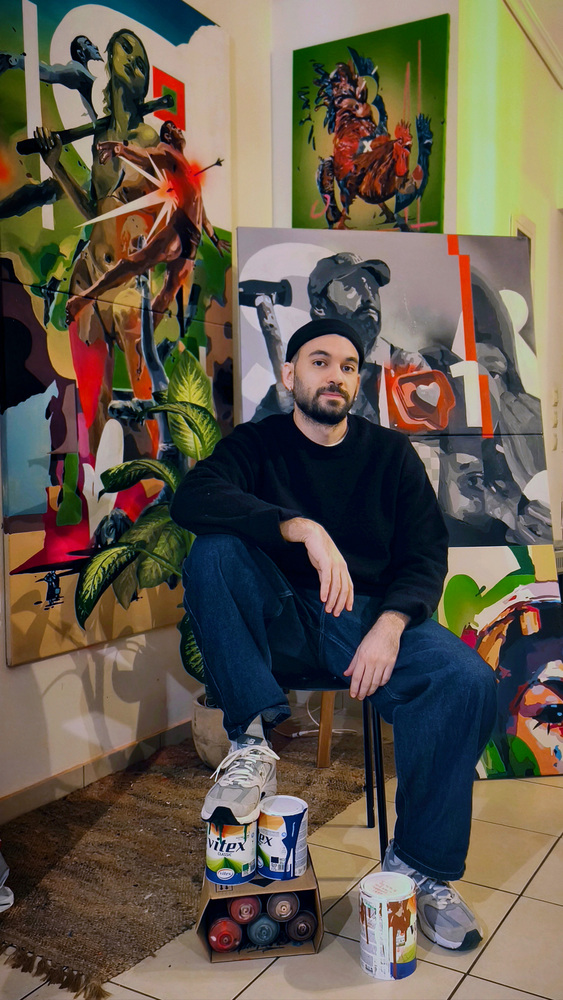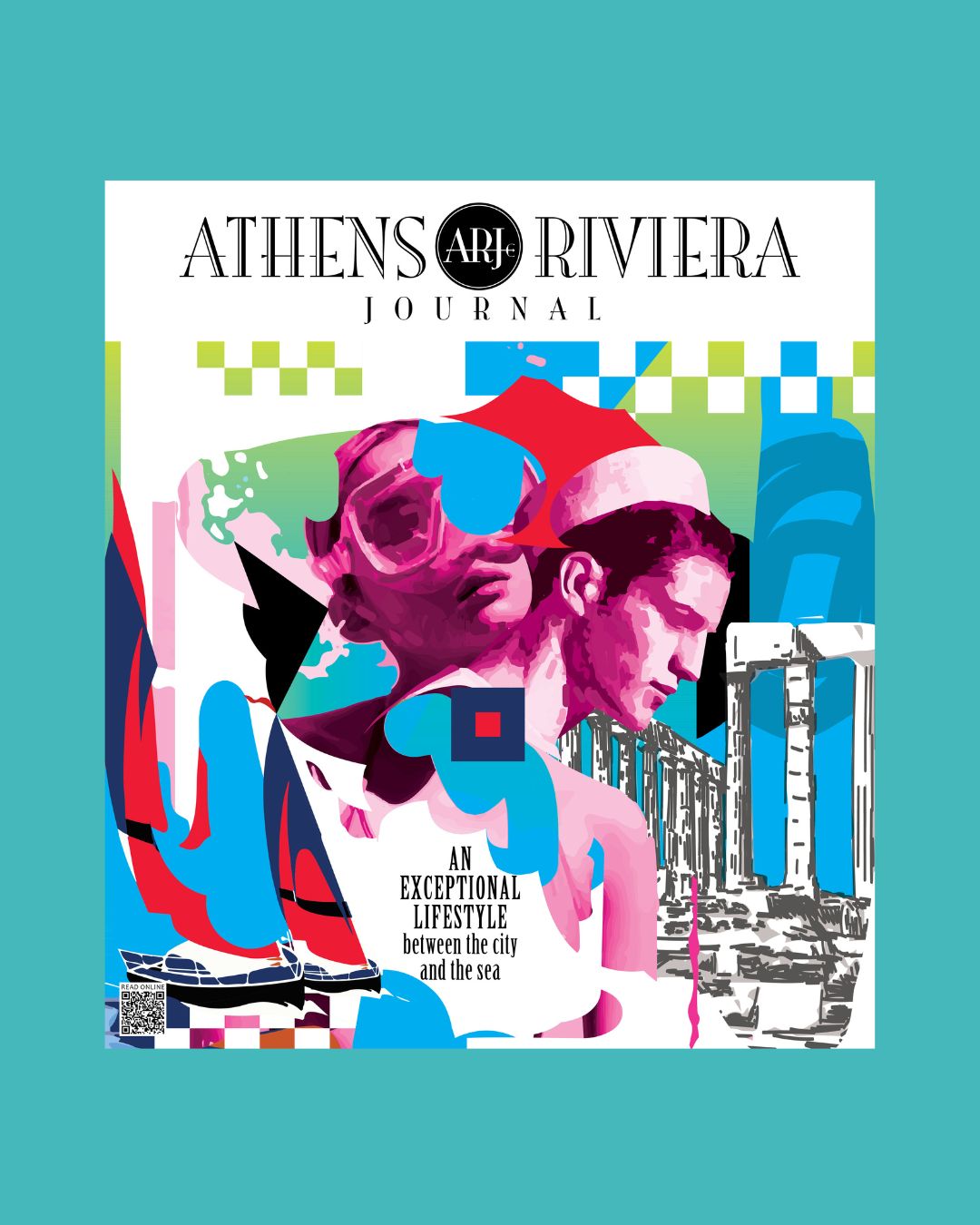

Who’s really behind the cover? Meet Spent1, a contemporary Greek visual artist who translates graffiti into a multi-layered visual language that invites interpretation rather than certainty.
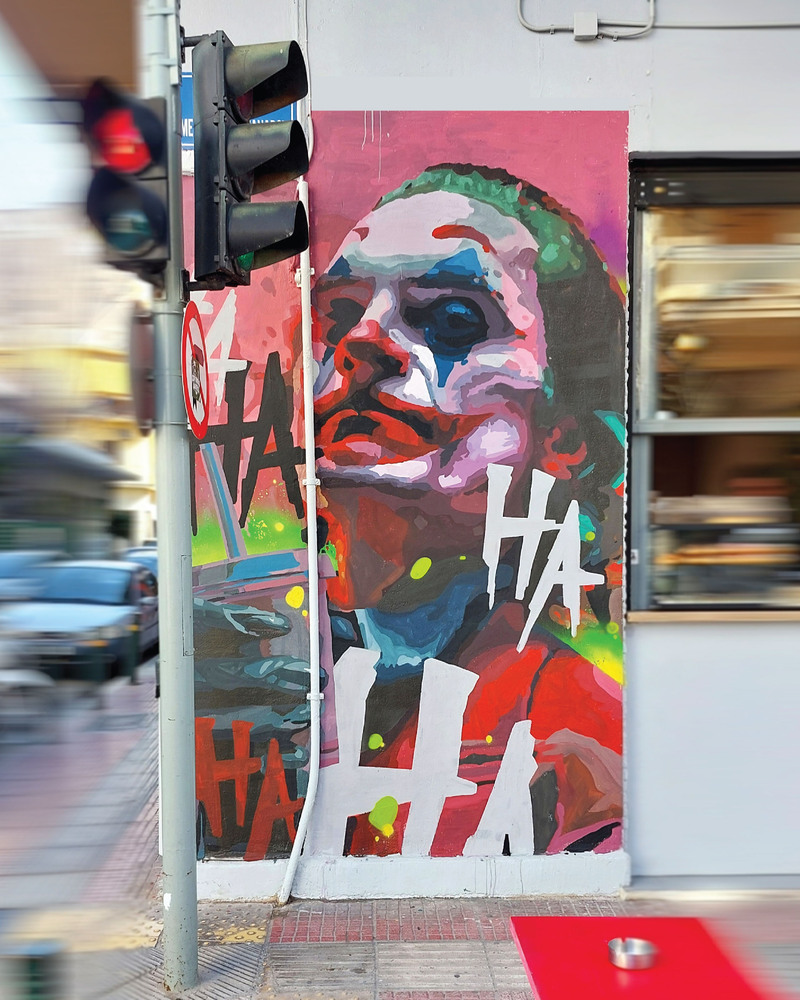
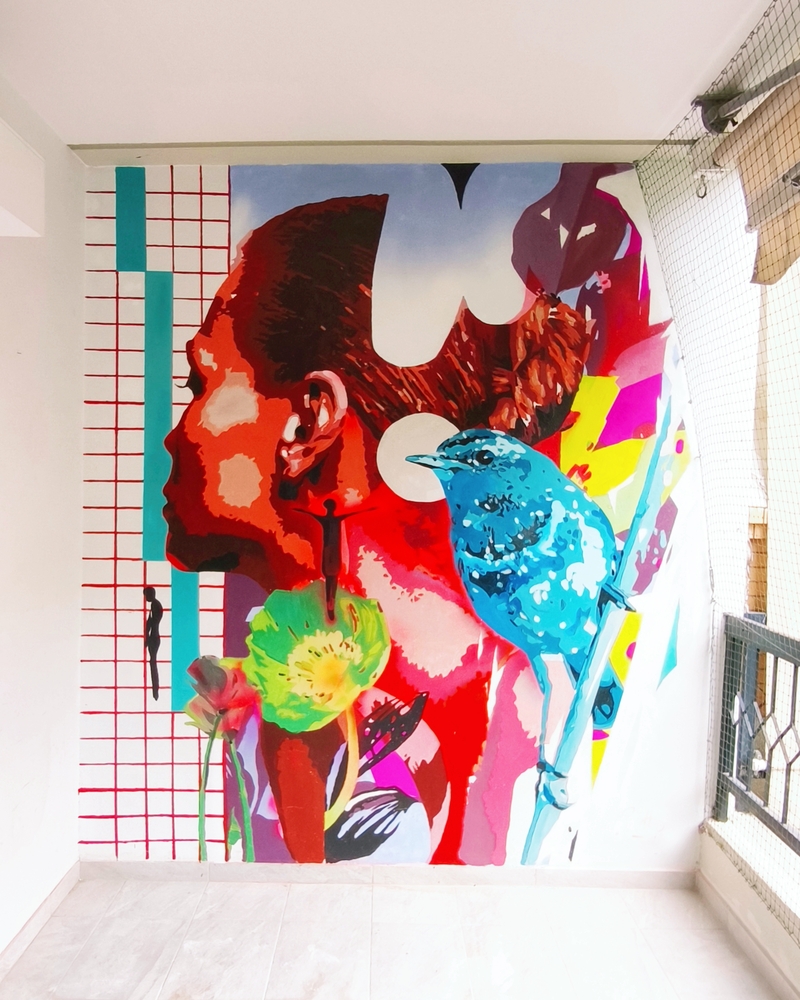
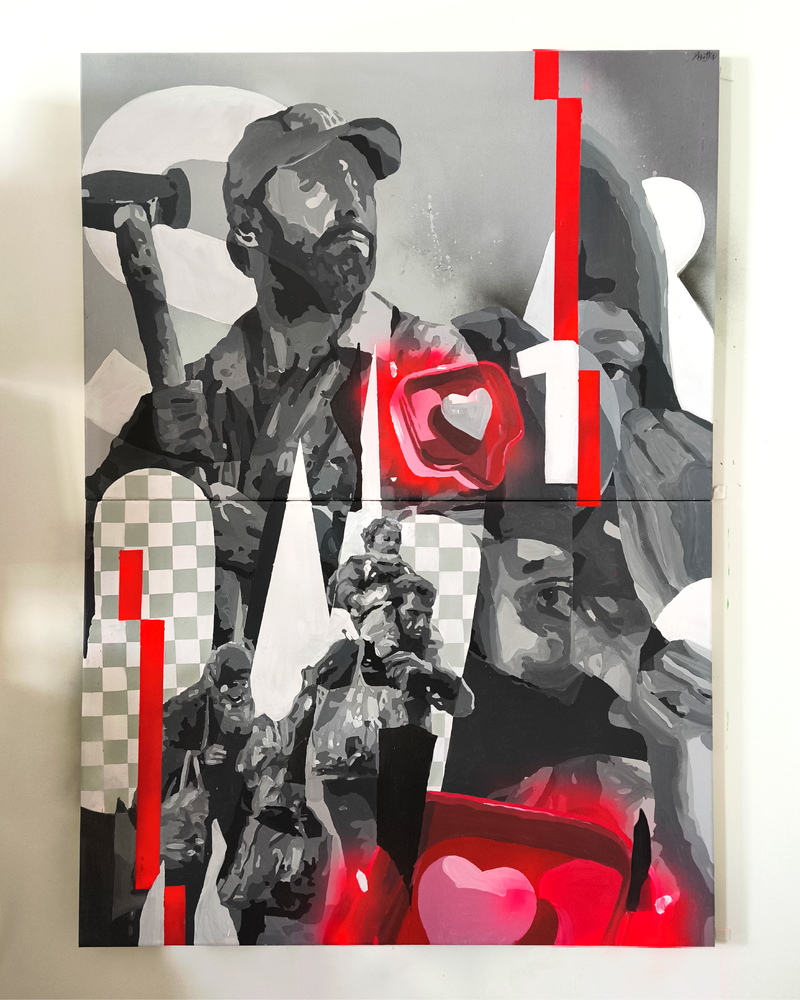
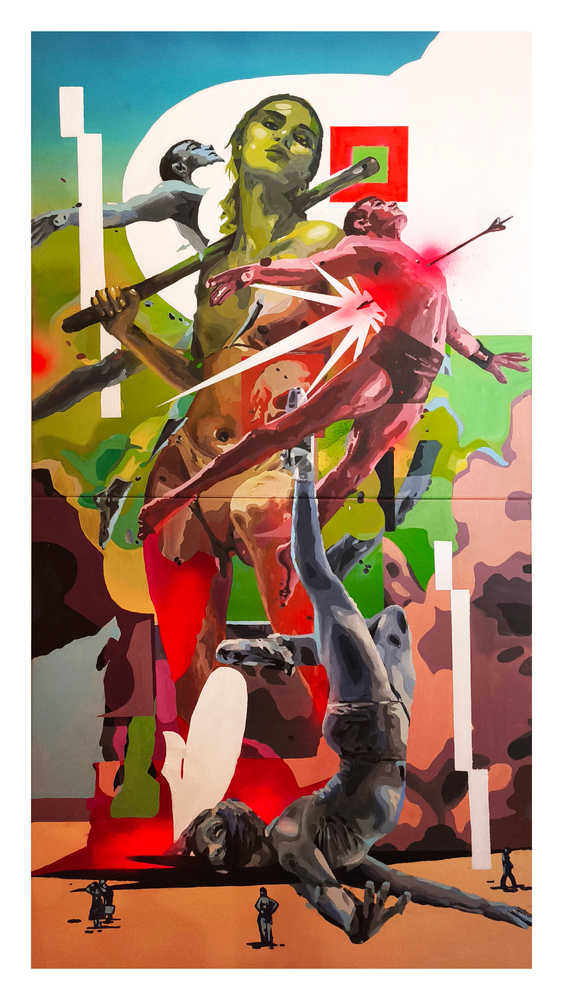
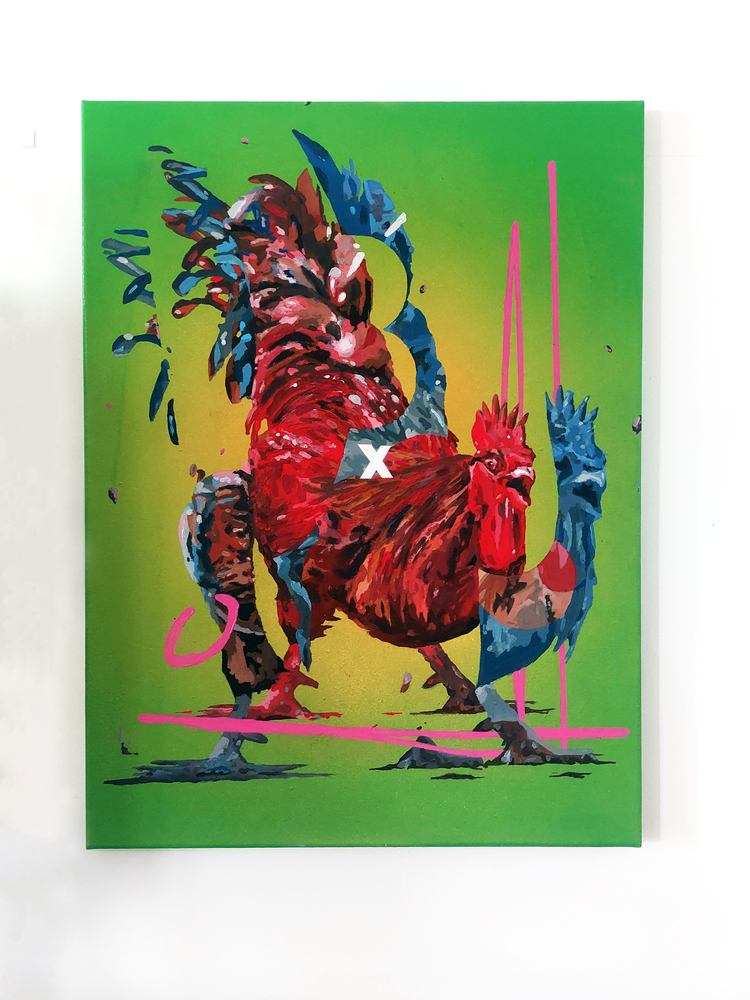
Spent1 is not an artist who raises his voice—his work does that for him. Born in Heraklion, Crete, he came of age through graffiti, long before it became a category or a career path. What began on walls evolved into a visual language that moves freely between the street and the studio, instinct and intention. His background—spanning materials science, graphic design, and art & design—doesn’t appear as a résumé, but as structure beneath the surface. His compositions are layered, fragmented, and deliberately open-ended, built around abstract characters, geometry, and color that refuse a single reading. For this issue of Athens Riviera Journal, Spent1 created a sur-mesure cover, conceived specifically for the publication and its context. There’s a quiet tension at the core of his practice: a calm, almost restrained presence behind images that feel bold, restless, and unmistakably contemporary. Whether working on murals, exhibitions, or collaborations with international brands and cultural institutions, he isn’t interested in decoration. He’s interested in dialogue—images that stay open, resist certainty, and ask the viewer to meet them halfway.
Your work highlights the spontaneity of graffiti, yet it clearly communicates much more than that. What do you feel comes first in your emotions and thoughts when you begin a piece?
Beyond spontaneity, there is always something specific I want to communicate behind each work. Spontaneity is the tool, not the goal. If it stopped there, it would simply be a release. What truly interests me is for that impulse to transform into an image with meaning—something that can stand on its own, be read, and ultimately reflect back to the viewer.
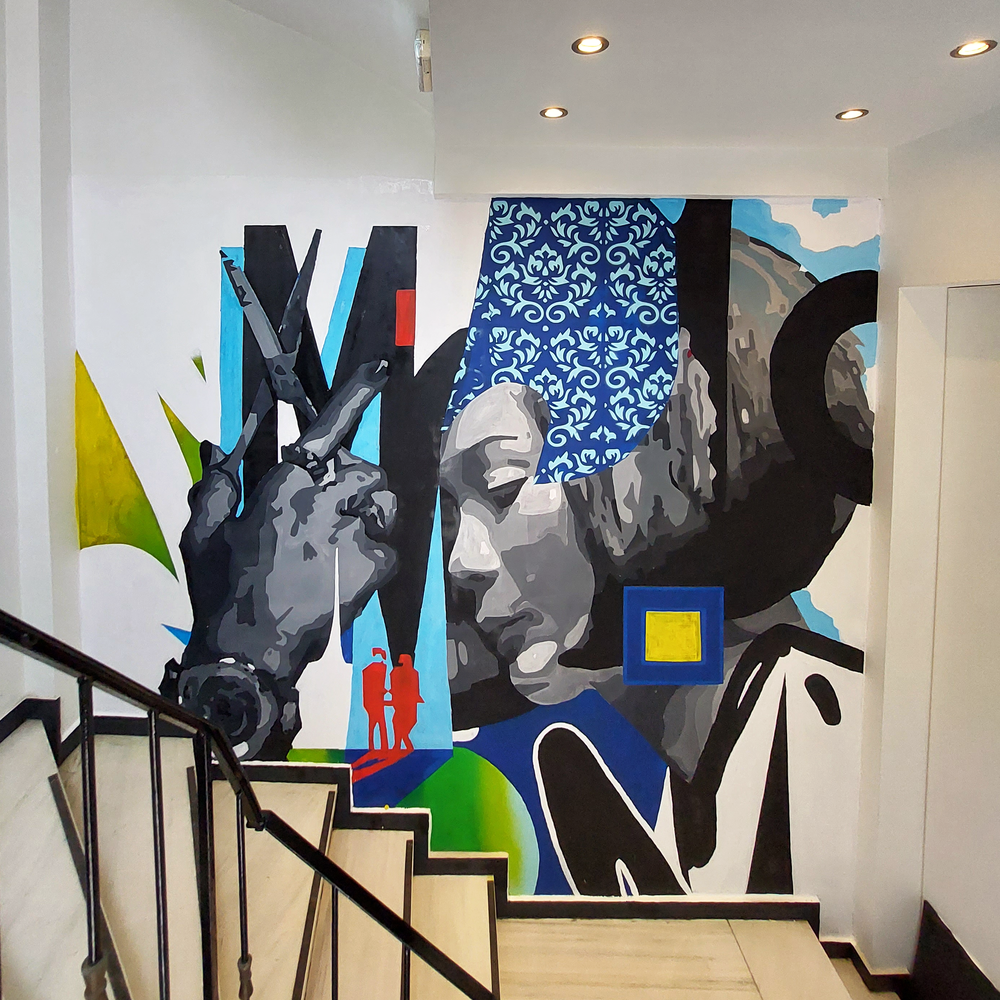
Your murals often function as multi-layered fields, where characters, lines, and color coexist without any single “right” or “wrong” reading. What interests you more: the message you put forward, or the space you leave for the viewer to freely interpret what they see?
I usually work with strong elements of allegory and metaphor, always grounded in a central theme. From there on, what matters to me is that the work opens up rather than closes down. I like it when different perspectives and interpretations emerge through its reading—often things I hadn’t even imagined myself. This unpredictable aspect of communication is, for me, one of the most essential parts of the work.
You’ve collaborated with brands and organizations, yet you maintain a distinctly personal visual signature. How do you preserve that balance?
That balance is maintained through mutual respect. I don’t see collaborations as separate from my personal practice; my visual language is what I’m chosen for in the first place. I adapt the work to the theme or the context, but never my voice. When there’s trust, the outcome can remain authentic for both sides.
I work with allegory and metaphor, always rooted in a central theme—creating works that open up rather than close down.
On the cover of Athens Riviera Journal, the image is asked to distill an entire ecosystem—the Athenian coastline—into a single moment. How did you approach this particular creation?
I approached it as a condensation of experiences and images, rather than a literal depiction of the coastline. What interested me was conveying the ecosystem of the Athens Riviera through ragments: human presence, architectural traces, the element of water, and the area’s historical depth. The composition follows the same draft-based logic I use in my murals—layers, contrasts, and multiple planes coexisting within a single moment. It doesn’t describe a place so much as its feeling: a landscape in constant transition, much like the city itself.
If you were given the opportunity to create a mural along the Riviera—from Piraeus to Sounion—is there a specific place, or an existing urban element, that inspires you in particular? What would you want to “enter into dialogue” with the city through your visual language?
I’m especially inspired by the history of rebetiko, and more broadly by the countless stories carried by the neighborhoods of Piraeus. If I were given that opportunity, I would definitely want to work there—at a site that has lived through and “listened to” people, music, and different eras. At the same time, the rest of the Riviera, stretching toward Sounion, carries a different kind of energy, defined by the strong relationship between the city, the natural environment, and the historical weight of the landscape. What I’d want to communicate through my work is a dialogue between culture and memory, as well as nature—how all of these coexist and shape the identity of a place. A work that doesn’t simply decorate the space, but truly engages in conversation with it.