
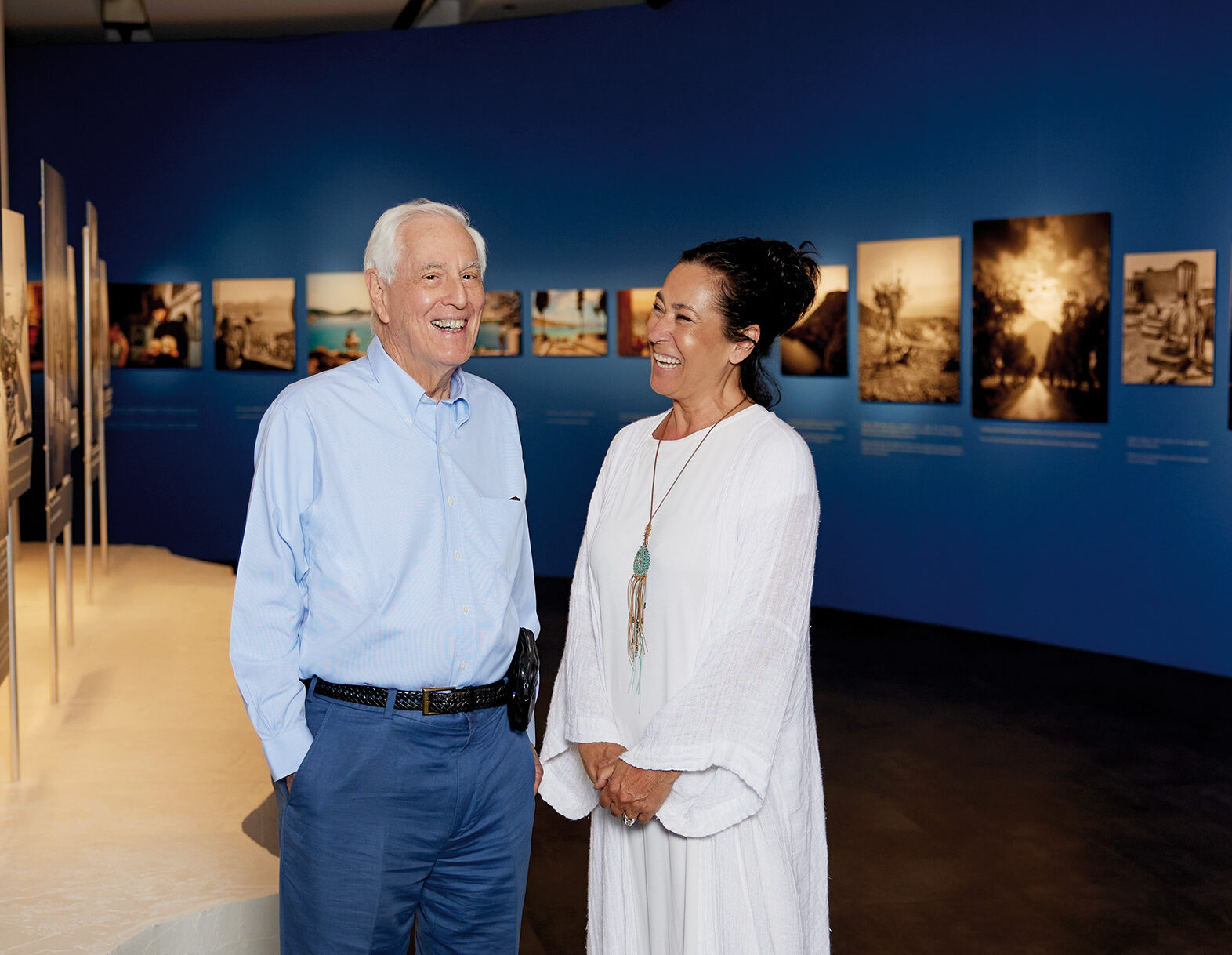
In this exclusive interview, Elsa Soimiri, Editor-in-Chief of Athens Riviera Journal, delves into a captivating conversation with Robert McCabe, one of the most influential photographers of our time.
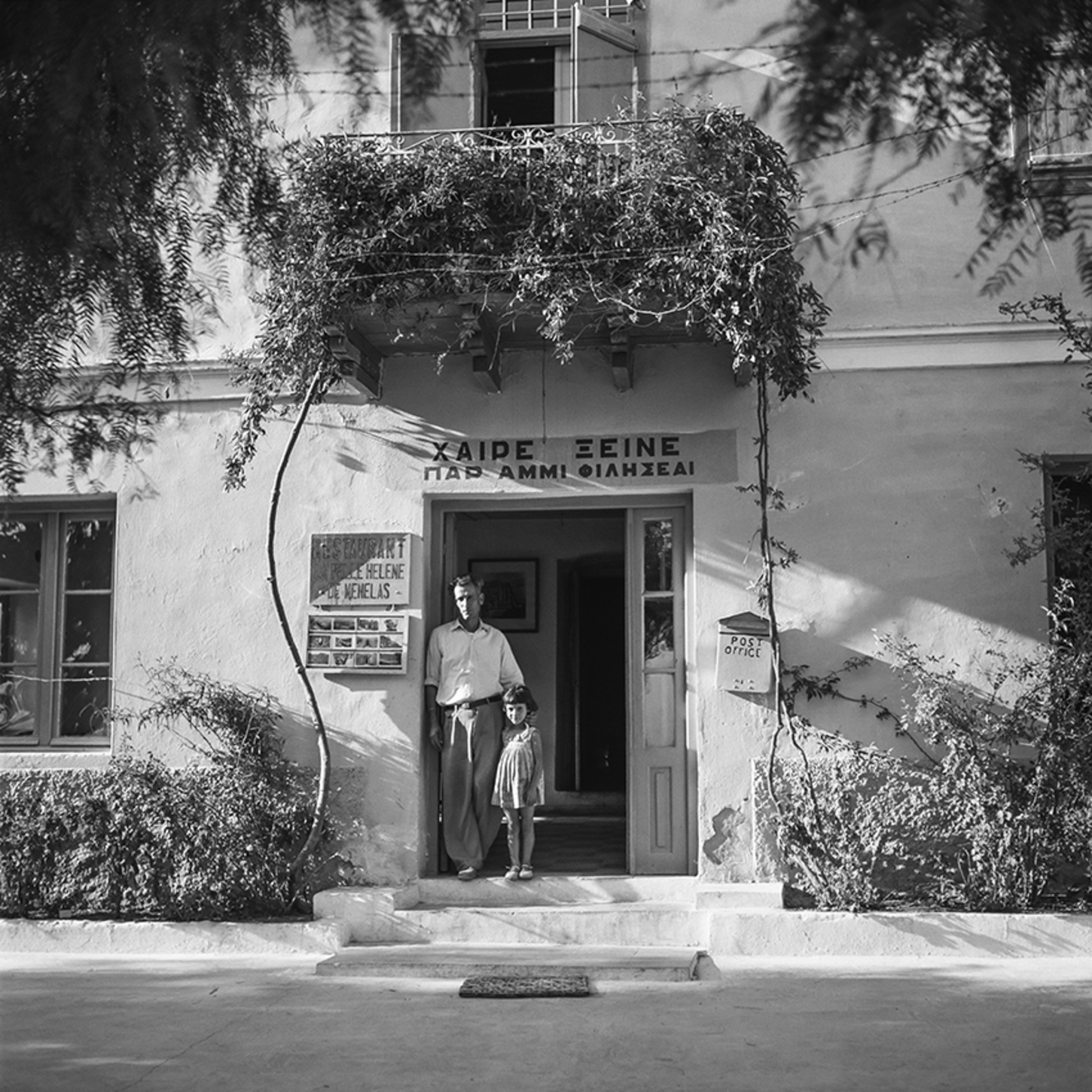
Set against the backdrop of his latest exhibition, “Χαίρε Ξένε. In the Land of Dreams,” this interview offers a rare glimpse into the personality and passion behind the lens. Discover the man who has captured the soul of Greece and meet the personality behind the photographs. Experience this unique celebration of Greek culture and heritage through the eyes of a master.
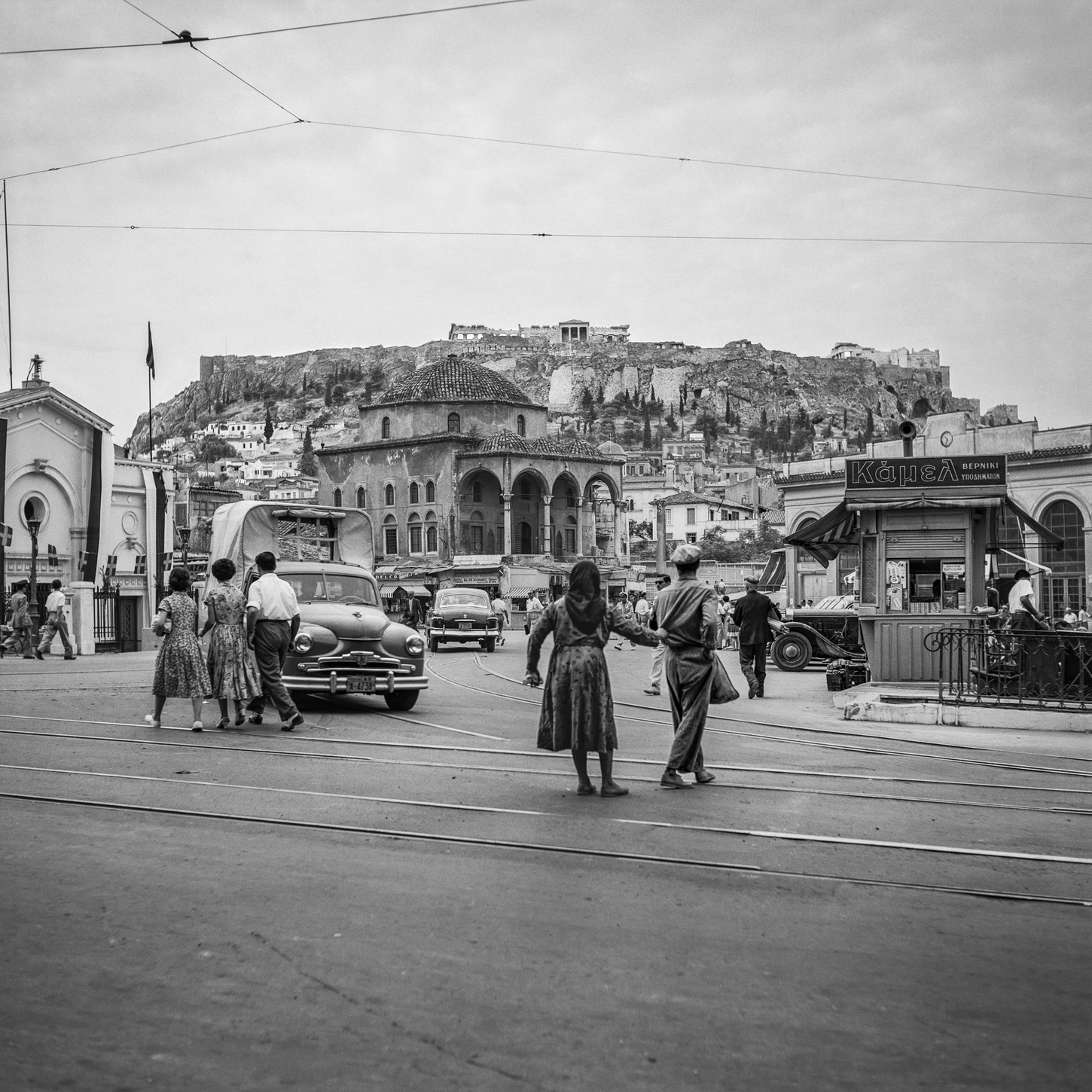
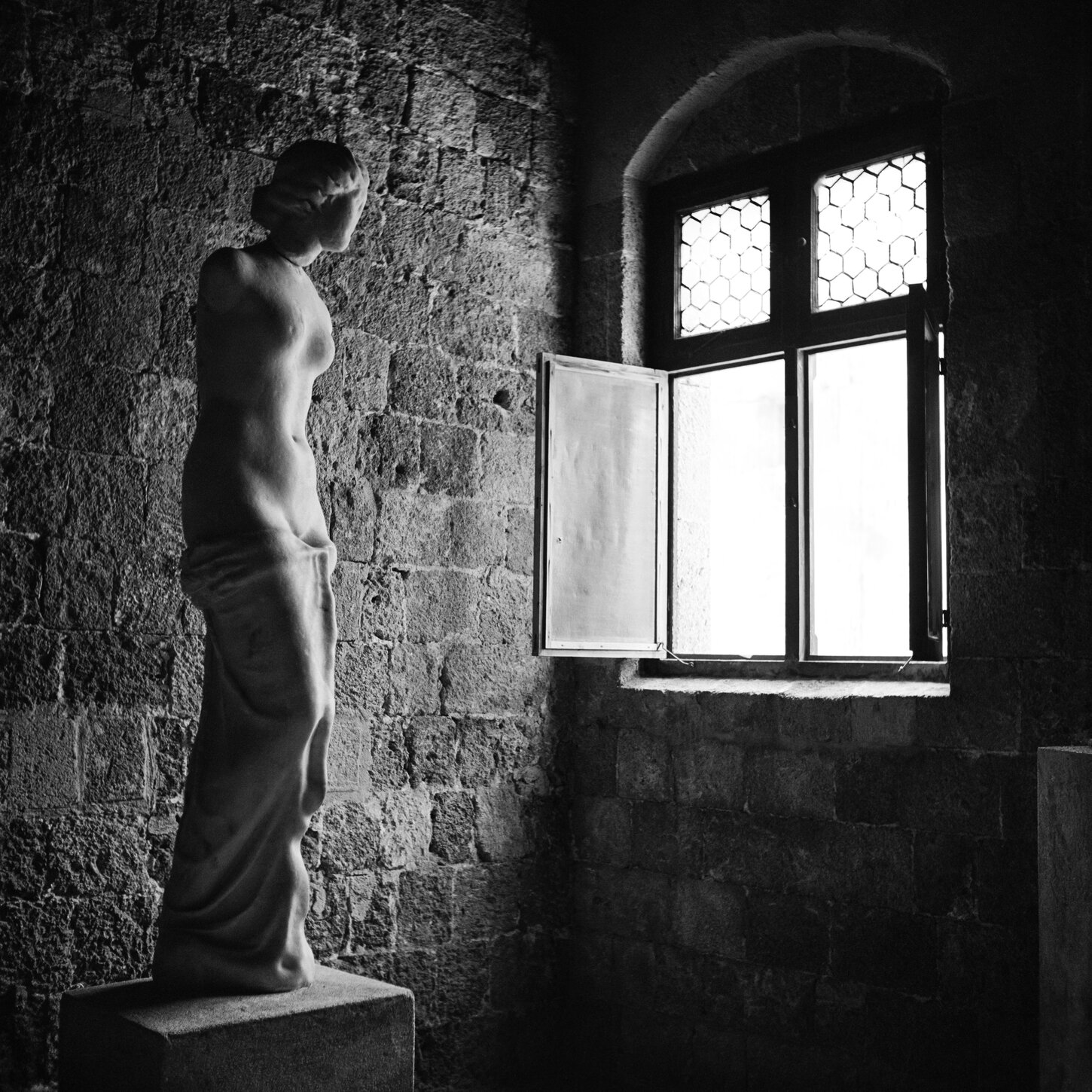
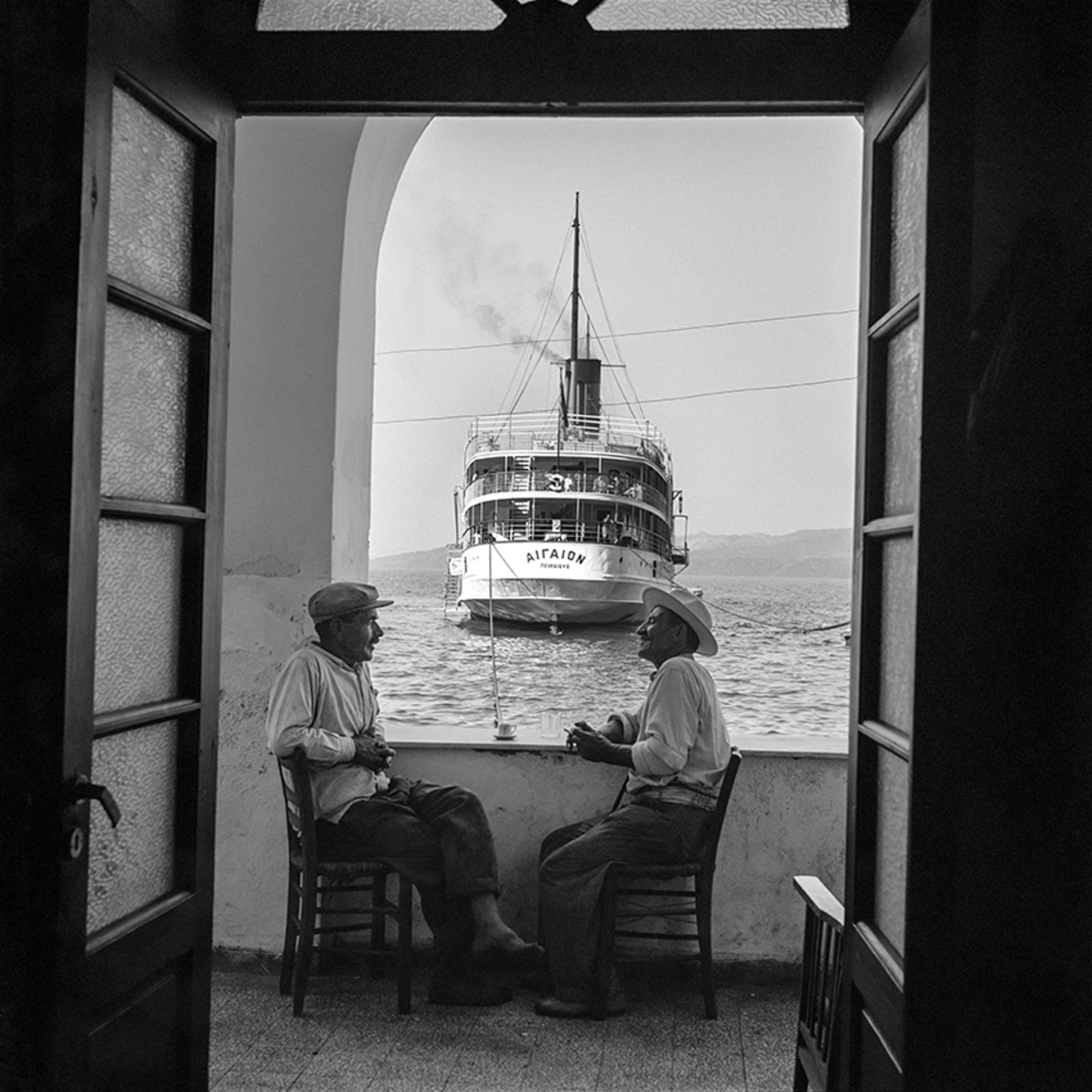
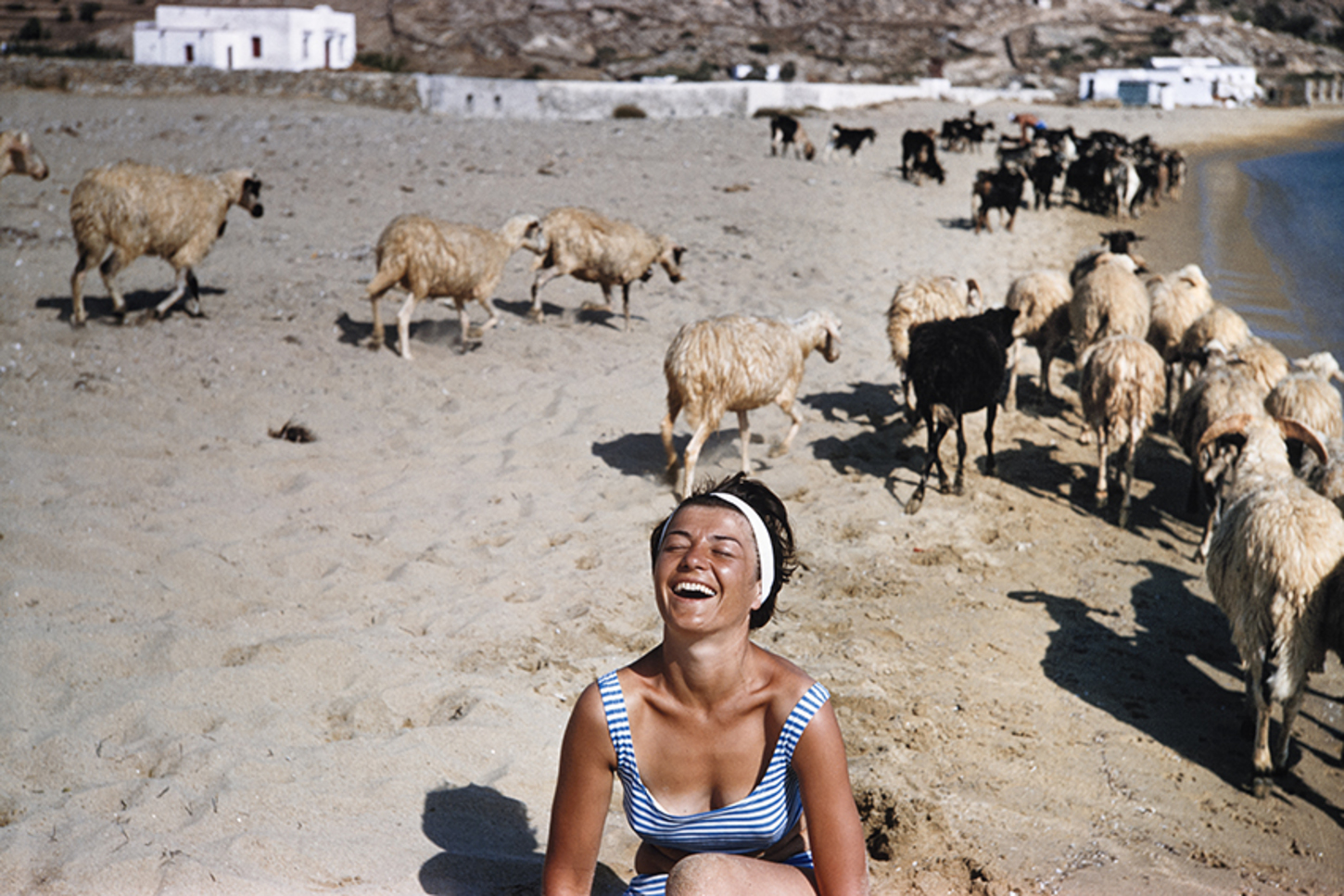
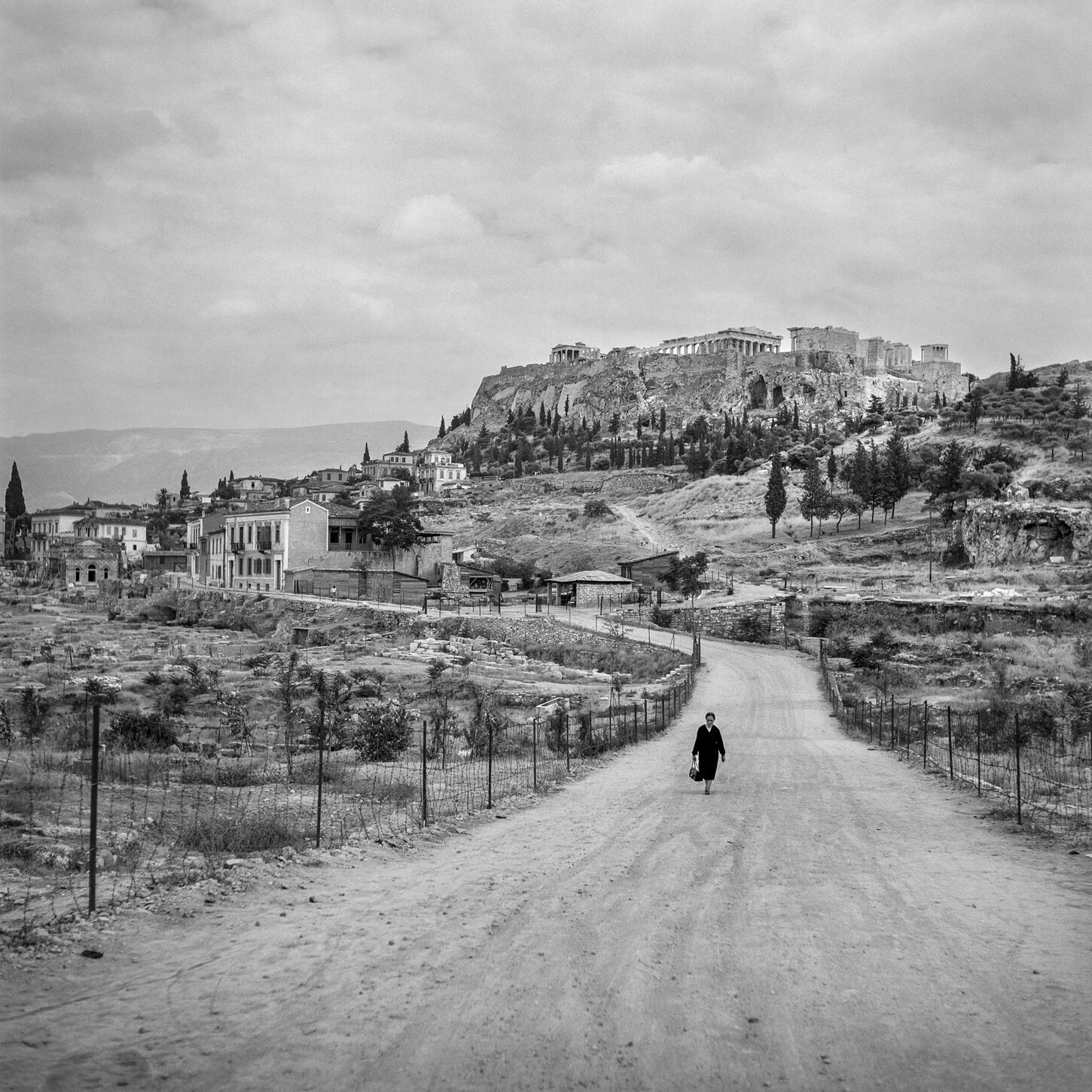
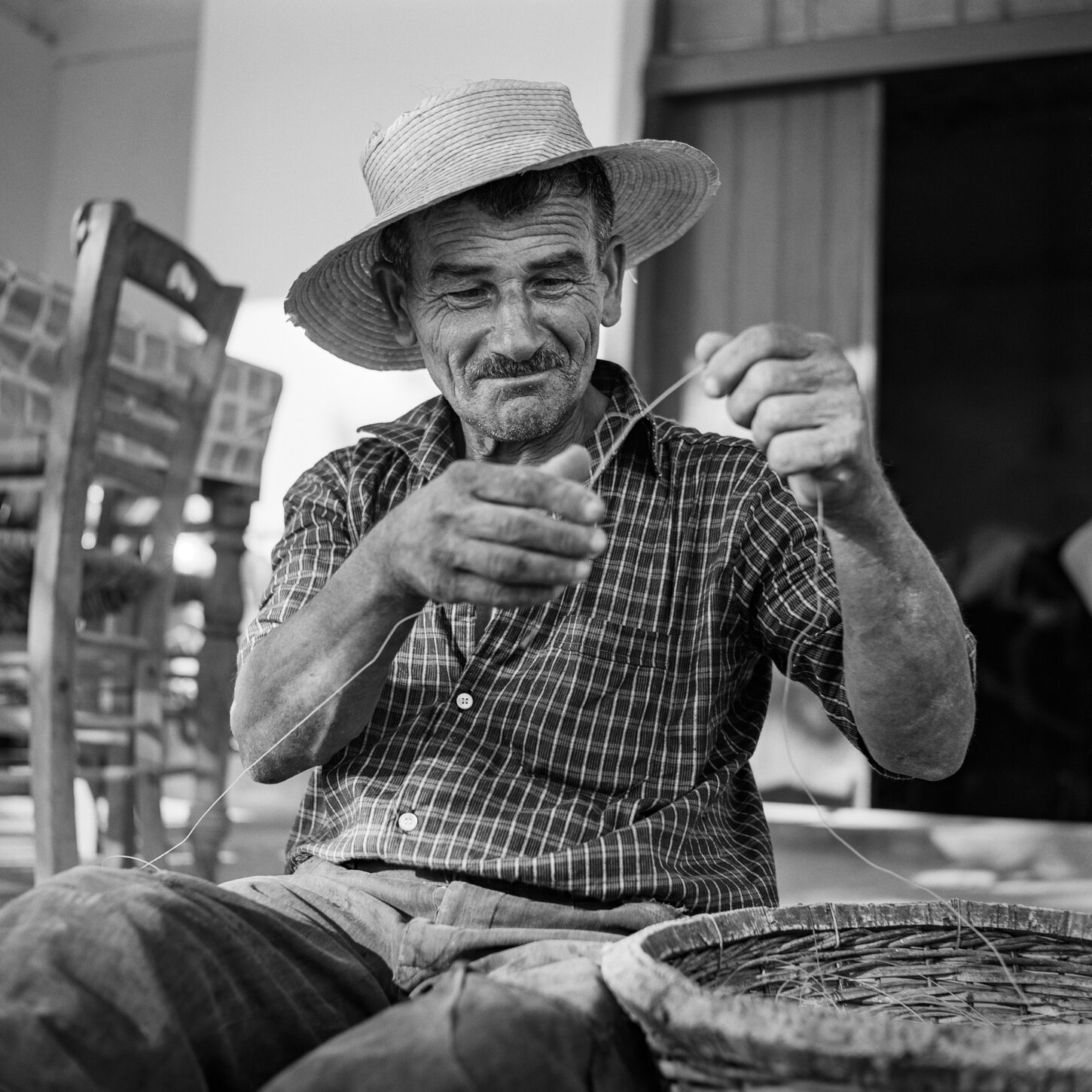
Celebrating 70 years since his first visit to Greece, Robert McCabe’s exhibition, “Χαίρε Ξένε. In the Land of Dreams,” at the Acropolis Museum, showcases approximately 100 photographs that capture the eternal beauty and cultural heritage of Greece.
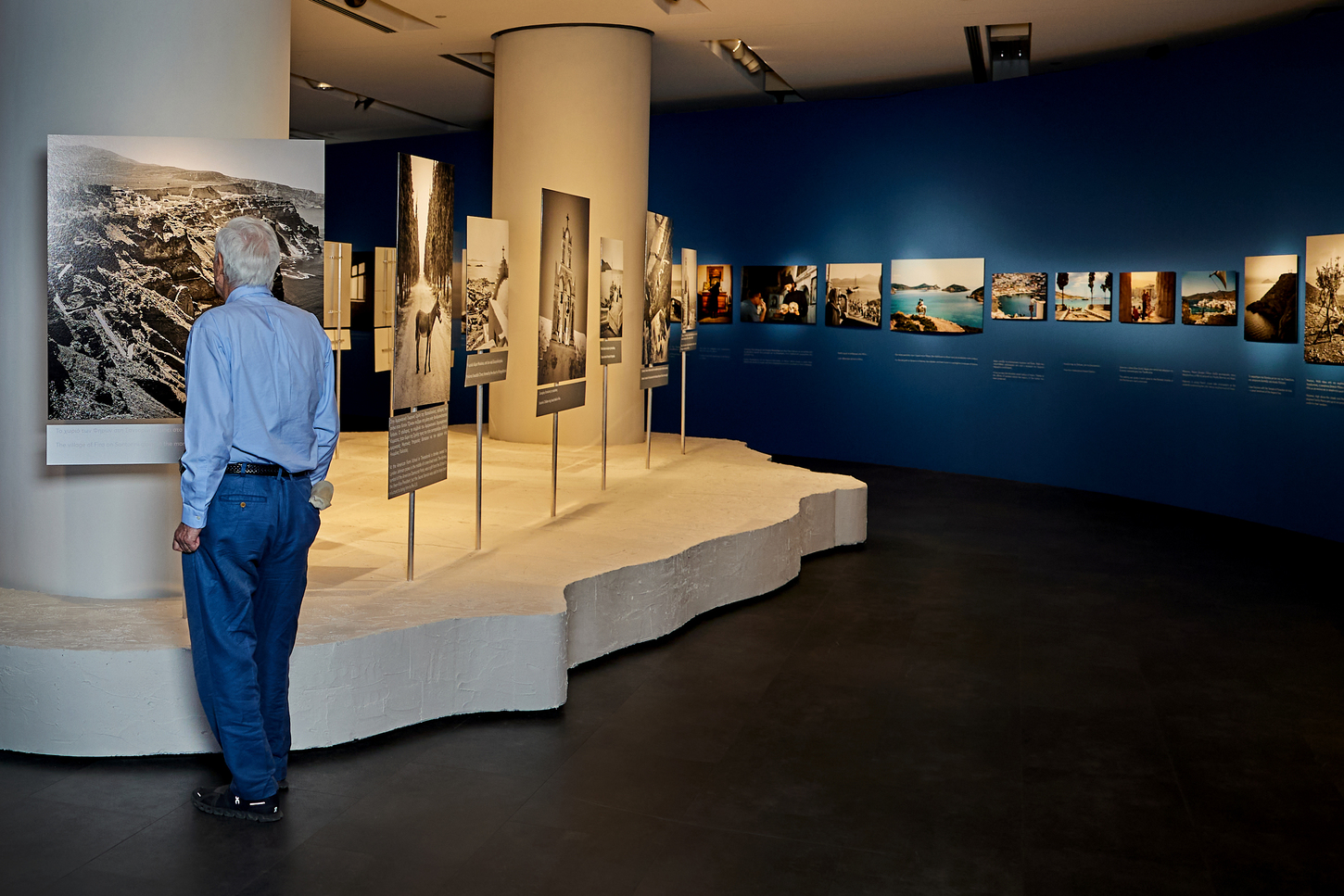
The Acropolis Museum, in collaboration with the Ministry of Tourism and the Greek National Tourism Organization, proudly presents “Χαίρε Ξένε. In the Land of Dreams,” a captivating photography exhibition by Robert McCabe. Running until September 8, 2024, this exhibition marks 70 years since McCabe first arrived in Greece and offers a unique retrospective of his “Greek era,” featuring approximately 100 photographs that highlight the timeless beauty of Greece.
Robert McCabe, an acclaimed photographer known for his evocative and historical images, began his journey in photography at a young age. Growing up in Chicago and New York, he was influenced by his father, who was involved in the newspaper business. McCabe’s first visit to Greece in 1954 ignited a lifelong passion for the country. His work captures Greece’s natural beauty, cultural heritage, and the transformative journey of its people and landscapes over the decades. McCabe’s photographs not only document the past but also inspire a commitment to preserving Greece’s unique identity for future generations. Elsa Soimiri delves into McCabe’s early influences, his enduring passion for Greece, and the significance of this evocative collection.
This discussion reveals Robert McCabe’s insights, memories, and the stories behind his photographs, offering a deeper understanding of his work and his profound connection to Greece.
Growing up in Chicago and New York with a father involved in the newspaper business, how did this environment influence your early interest in photography?
My father was asked to run a picture newspaper in New York City in the late 1930s. When I was five, he gave me a Kodak Baby Brownie camera. It had fixed focus and exposure, so my only task was to click the shutter. I started taking pictures, influenced by the sensational images the newspaper favored. I also had easy access to the chief photographer, learning a great deal from him. Before your transformative first trip in 1954, you had little interest in Greece compared to other European countries.
What were your perceptions of Greece before visiting, and how did they change upon your arrival?
I was fascinated with France and the French language and knew nothing about Greece. My trip happened because my brother Charles was invited by a Greek friend. We planned a two-week visit but stayed the entire summer, enchanted by the country’s beauty and the incredible hospitality of our new friends.
I never imagined things would change so rapidly. I naively thought I would return every year to photograph different islands and their traditional ways of life.
Robert McCabe
Your initial two-week trip to Greece unexpectedly turned into a whole summer adventure. What compelling factors influenced you and your brother to alter your travel plans so drastically?
It was the stunning landscape and the sea, combined with the extraordinary hospitality of our new friends.
During your early visits, Greece was still recovering from the effects of WWII and civil conflict. How did these circumstances influence the subjects you chose to photograph?
At the time, I wasn’t consciously influenced by these circumstances. However, when we started working with Dr Panagiotis Roilos, George Seferis Professor of Modern Greek Studies and of Comparative Literature at Harvard University and Mrs. Lymperopoulou on the theme of Greece after the war, we quickly understood which photos best illustrated that difficult period.
My trip [to Greece] happened because my brother Charles was invited by a Greek friend. We planned a two-week visit but stayed the entire summer, enchanted by the country’s beauty and the incredible hospitality of our new friends.
Robert McCabe
You’ve mentioned photographing traditional Greek life that has since transformed or disappeared. Could you share more about these changes and your feelings about capturing these fleeting moments?
I never imagined things would change so rapidly. I naively thought I would return every year to photograph different islands and their traditional ways of life. Suddenly, there was electricity, running water, tractors, mills, ferries, and tourists.
In 1957, you returned to Greece on assignment for National Geographic. How did this professional engagement differ from your explorations, and what were the highlights of this assignment?
The main difference was using color film. Otherwise, I was photographing similar scenes as in 1954 and 1955. As a National Geographic reader, I was influenced by their storytelling style. Color presented a challenge due to the poor latitude of Kodachrome film. Balancing the white houses and blue sea was difficult, but now, with digital tools, it’s easier.
Your connection to Greece deepened through marriage, and you eventually settled on Patmos. How has living in Greece influenced your photography and relationship with the country?
It’s become clear that one never runs out of photo opportunities with antiquities. Different times of day offer varied light, and different seasons provide unique angles. The weather also adds a variable, making each photo unique.
I’ve become very committed to protecting Greece’s beautiful landscapes and traditional architecture. The protection by law of the Pleistos river valley is an example of the wonderful results stemming from a desire to protect a beautiful landscape.
Robert McCabe
Having spent significant time among the Greek people, capturing their daily lives and evolving culture, what unique qualities do you find most endearing or striking about the Greek way of life?
From the start of my visits, I admired the closeness of family.
As someone who has witnessed the transformation of Greece over the decades, how has your emotional and personal connection to the country and its people deepened over time?
I’ve become very committed to protecting Greece’s beautiful landscapes and traditional architecture. The protection by law of the Pleistos River Valley is an example of the wonderful results stemming from a desire to protect a beautiful landscape.
Reflecting on your extensive body of work, how do you hope future generations will perceive your photographs of Greece, and what legacy do you wish to leave behind with your images?
I’d like my work to be seen as both a record of what I saw and an inspiration for those who want to protect Greece’s landscapes.
“Χαίρε Ξένε. In the land of dreams” -Temporary Exhibition Gallery at the Acropolis Museum ground floor. Open until 8 September 2024. Entrance is free to the public. (A free admission ticket is required from the Museum Ticket Desk). A bilingual publication (Greek-English) is available in the Museum Shops.