
More than a century of innovation – with a pivotal post-war rebirth in 1965
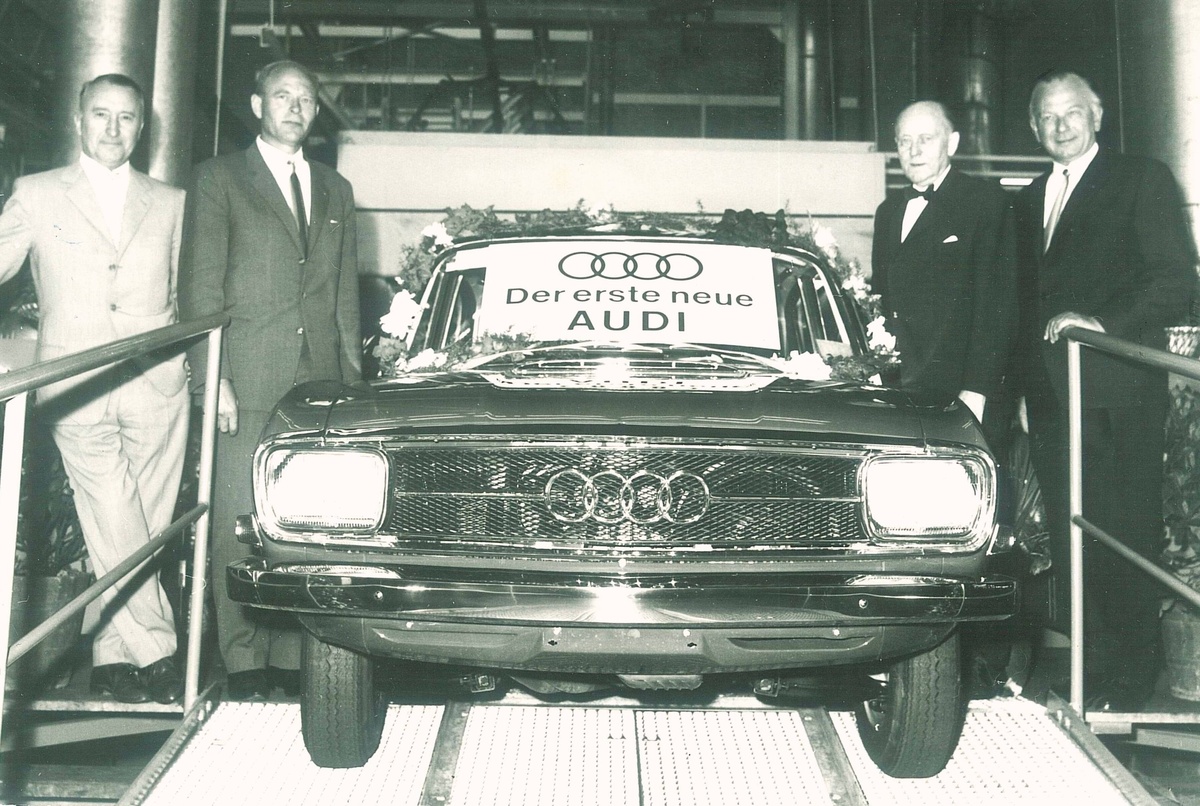
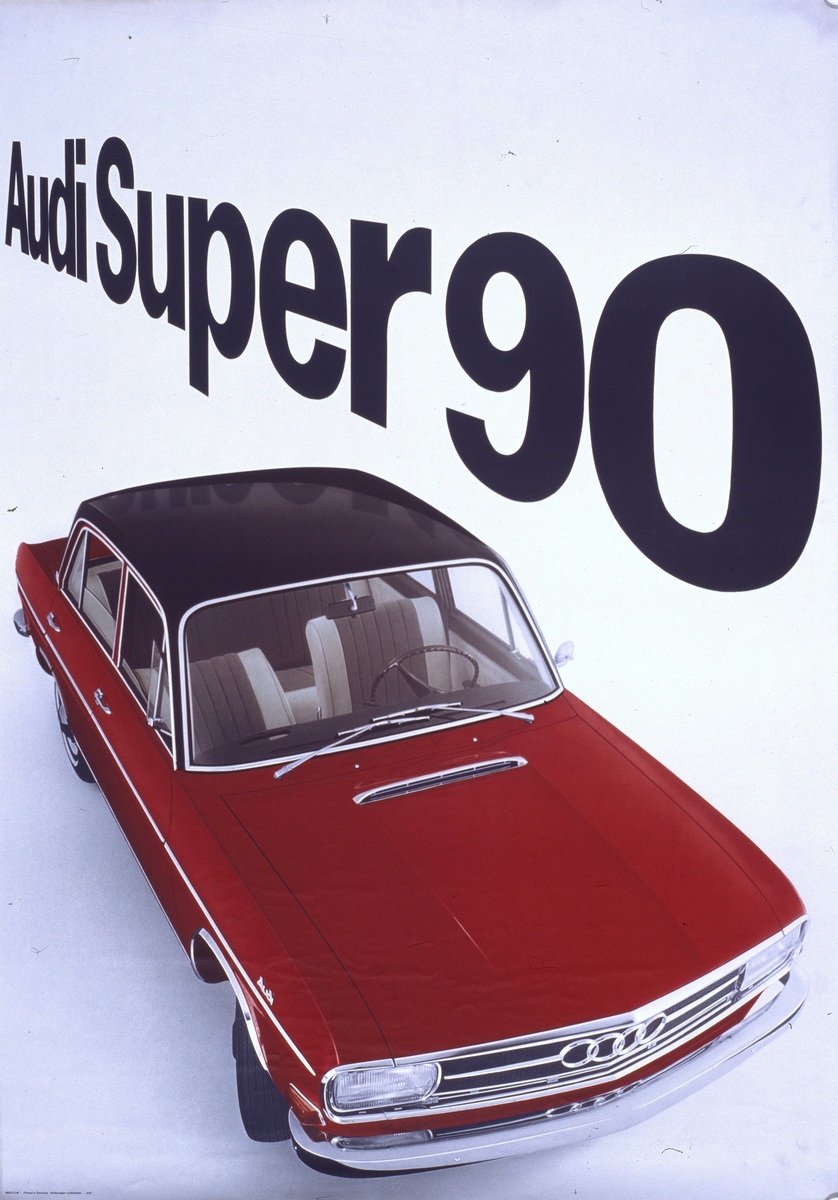
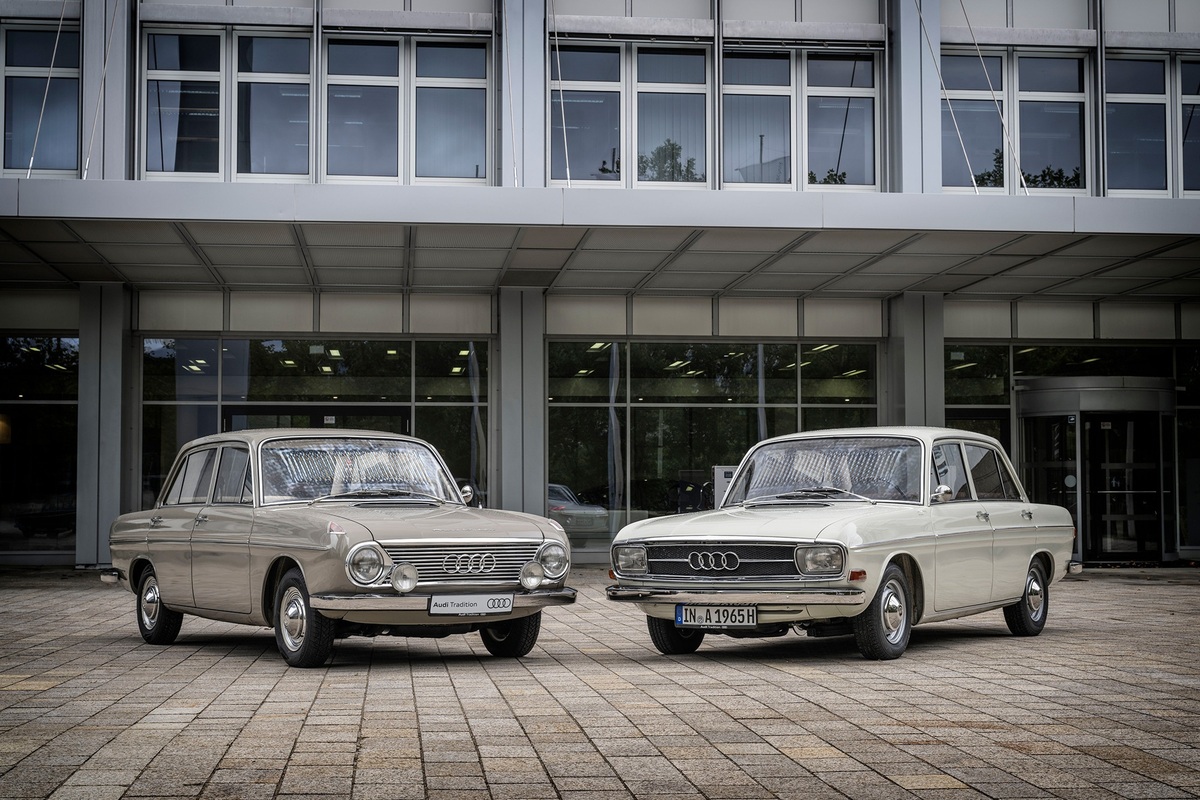
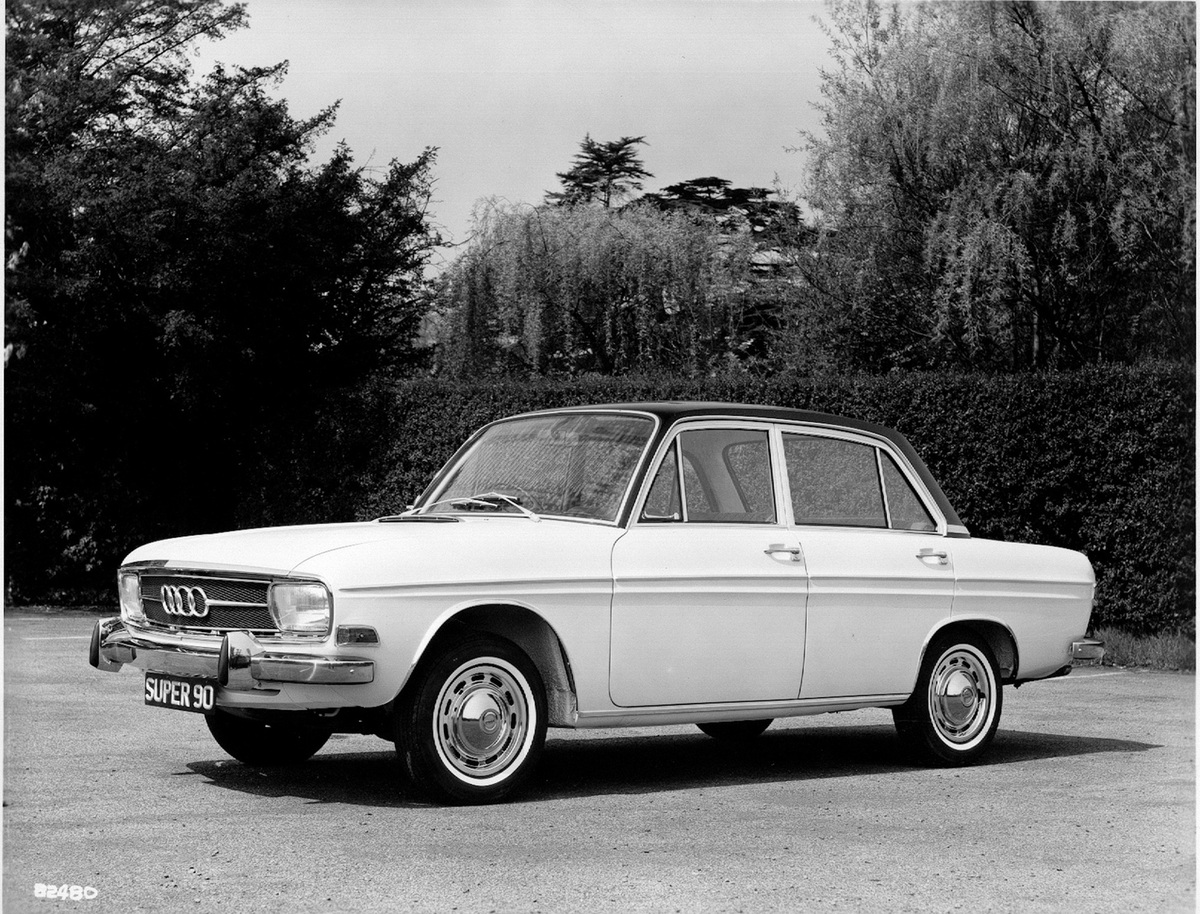
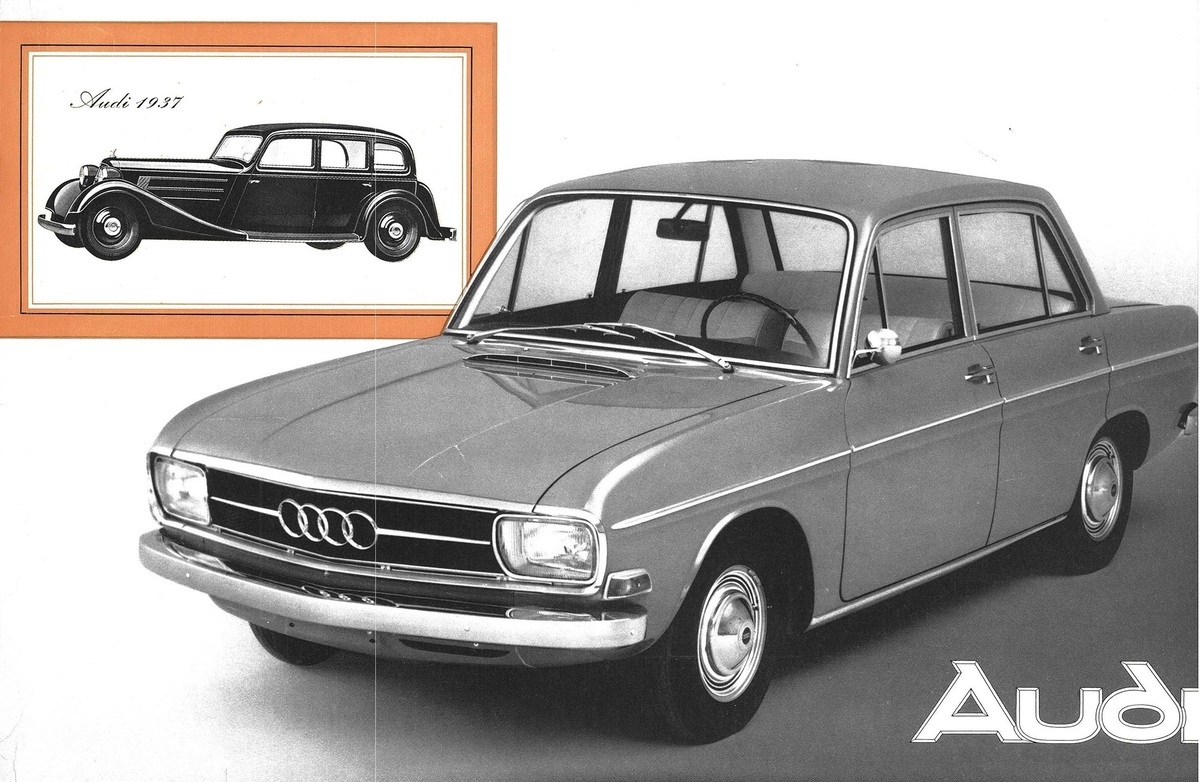
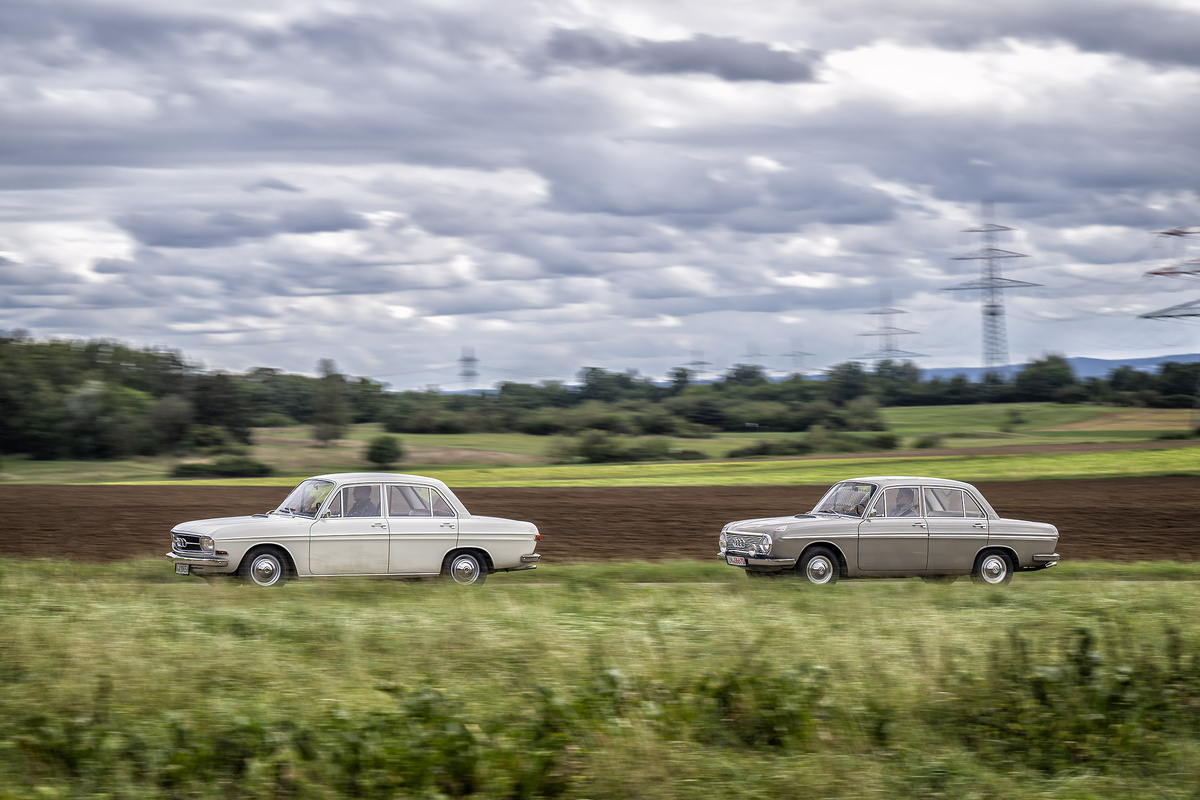
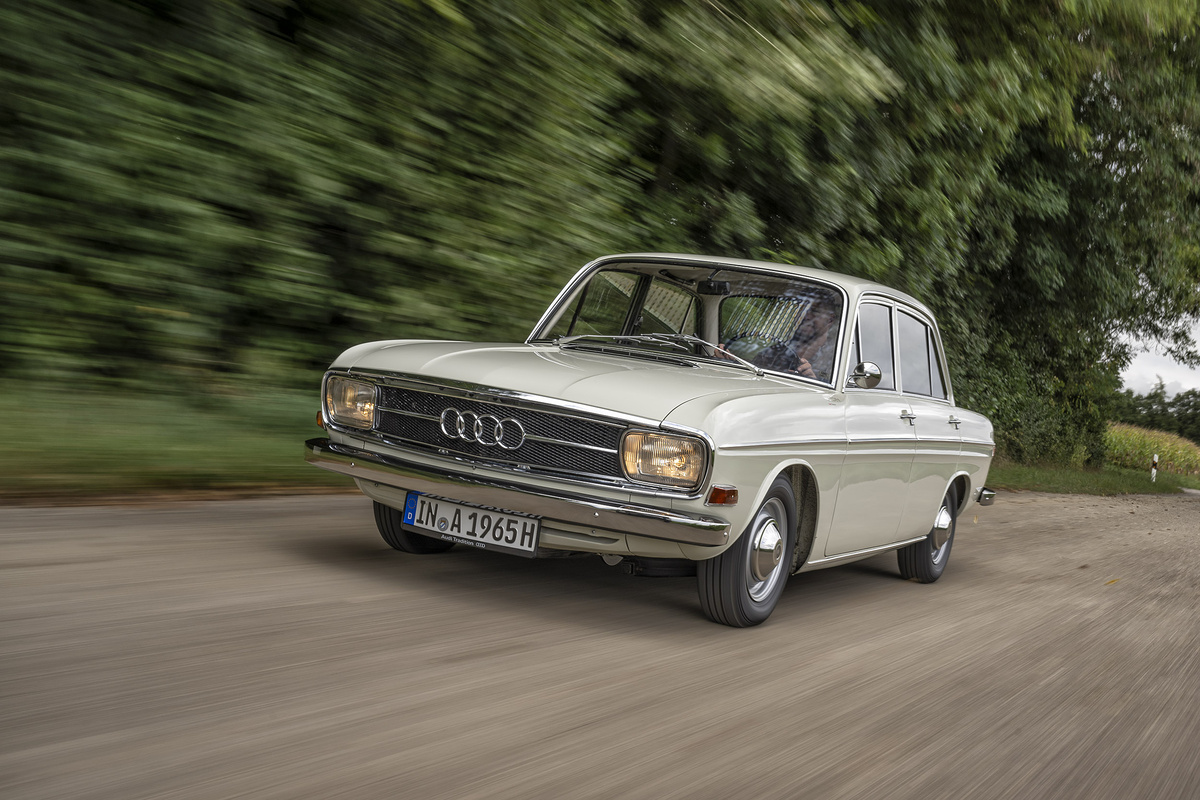
In 1965, Audi debuted its first post-war model at the Frankfurt International Motor Show—the four-cylinder Audi 72 PS, marking a new era for Auto Union. From this model came a complete modern lineup including the Audi 60, 75, 80, and Super 90. The successful F103 series brought Auto Union back on track and laid the foundation for today’s AUDI AG.
Though the brand’s roots go back to 1909, the model released on August 13, 1965, at the Ingolstadt factory is considered the beginning of Audi’s modern history. It wasn’t just a car—it symbolized a rebirth. Auto Union GmbH revived the “Audi” name, reconnecting it with technological progress and innovation. The F103 line became a successful and complete vehicle family, produced until 1972.
At the time, Auto Union GmbH was facing economic hardship. The post-war period had left Germany and Saxon Auto Union AG in ruins. Former employees relocated west and founded a spare parts warehouse in Ingolstadt—what would become Auto Union GmbH in 1949. The new company began manufacturing motorcycles and vans under the DKW name. With support from Daimler-Benz and later Volkswagen, Auto Union survived and reinvented itself both strategically and technologically.
By the mid-1960s, DKW models—reliant on outdated two-stroke engines—were no longer competitive. The F102, though modern in design, failed commercially. The company faced yet another crisis.
Meanwhile, Daimler-Benz AG began transferring ownership to Volkswagenwerk AG in 1964. The Beetle’s production in Ingolstadt (348,000 units between 1965–1969) helped stabilize the factory and workforce during a fragile time.
The true catalyst, however, was Daimler-Benz’s decision to provide a four-stroke engine to Auto Union, and to appoint Ludwig Kraus to lead development in Ingolstadt. The result was the “new Audi,” a model that changed everything. Released in 1965—25 years after the last Audi 920 and 55 years after the first Audi Type A—the F103 marked the beginning of a new chapter.
The DKW brand, associated with two-stroke engines, was dropped. The historic Audi name was reintroduced. Internally called F103, this vehicle laid the groundwork for a new product family and identity.
At the time, “Audi” was only a model name. It wasn’t until 1985 that the AUDI AG name officially represented the company.
The first Audi—unofficially known as the Audi 72—was followed by models like the Audi 60, 75, 80, and Super 90, each offering unique specs and trims. From 1966, the “Variant” station wagon joined the lineup. In 1968, the Audi 60 became the bestselling model. Out of 416,852 units produced, over half were Audi 60 or 60 L.
Technically, the new Audi introduced a 1.7L four-cylinder “medium-pressure” engine. It was longer, sported rectangular headlights, and had a black grille. A 4-speed manual gearbox was standard, with front disc brakes. Over seven years of production, various refinements were introduced, including a new dashboard and gear selector options.
Production of the F103 series ended in 1972, making way for the new Audi 80. With over 216,000 units of the Audi 60 alone, this generation became the cornerstone of Audi’s technological identity and long-term independence within the Volkswagen Group.