
Easter, with its quiet symbolism of renewal and continuity, finds a natural counterpart in objects that carry memory across time. At the Acropolis Museum, the shop’s seasonal selection draws directly from the Museum’s collections, translating ancient forms and motifs into contemporary keepsakes.
The result is not a reproduction of the past, but a dialogue with it.
Echoes of Ancient Craft
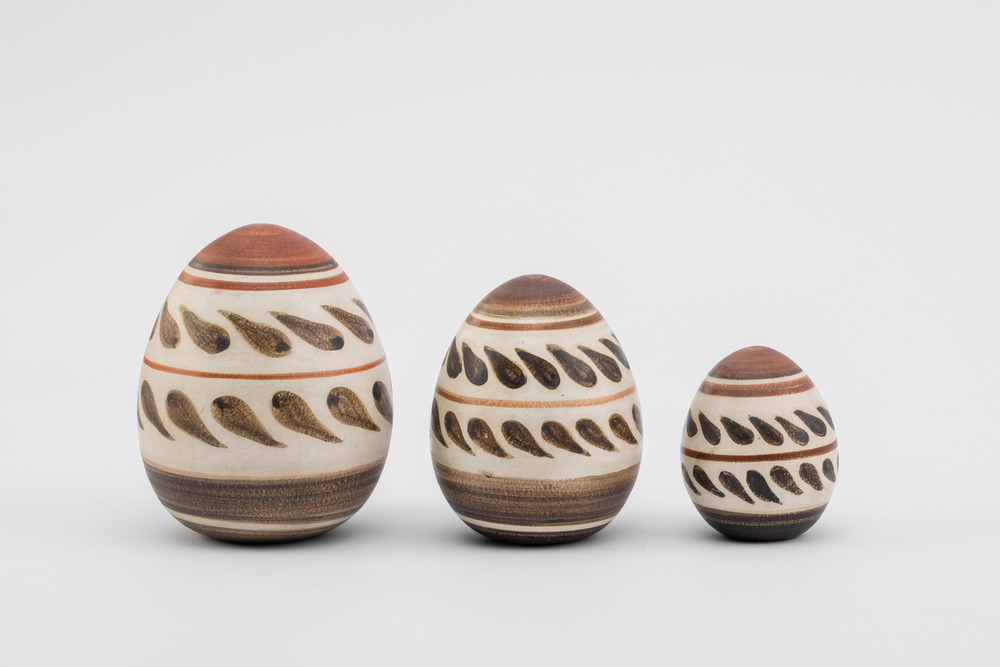
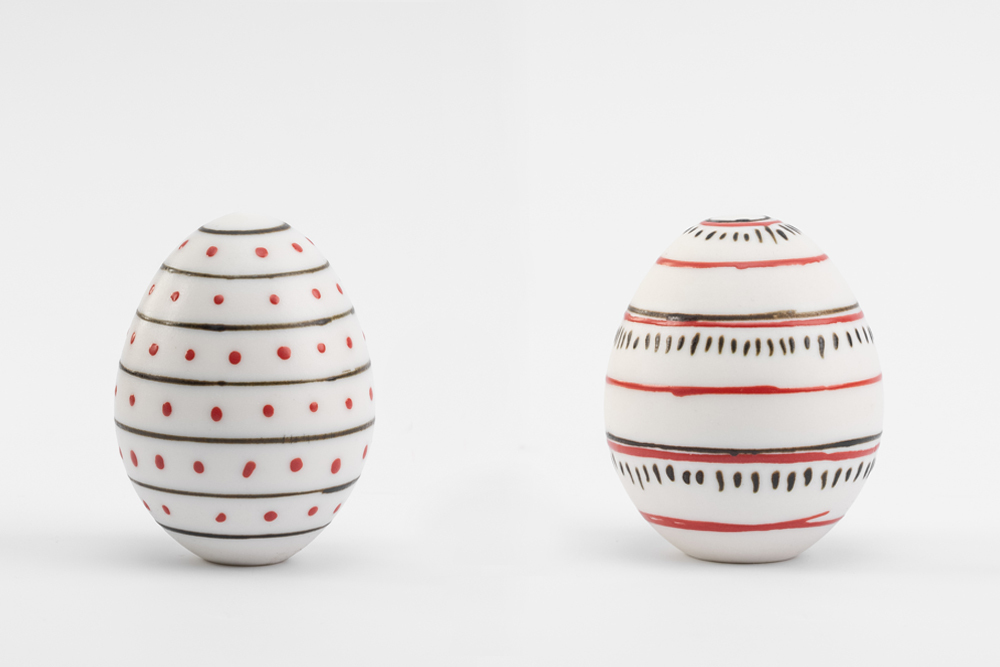
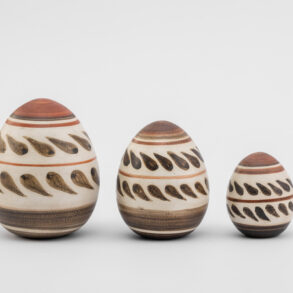
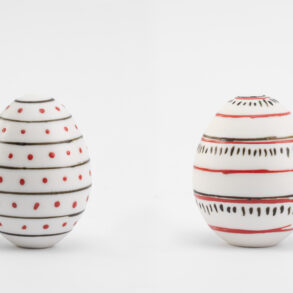
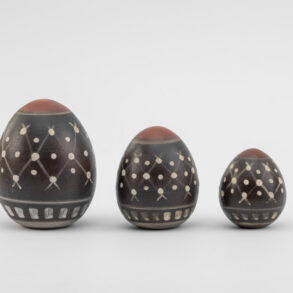
Among the most evocative pieces are the porcelain eggs, delicately hand-painted with motifs inspired by clay vessels dating back to the 9th and 8th centuries BC. Their forms are familiar, yet their decoration carries the quiet geometry and rhythm of early Greek art.
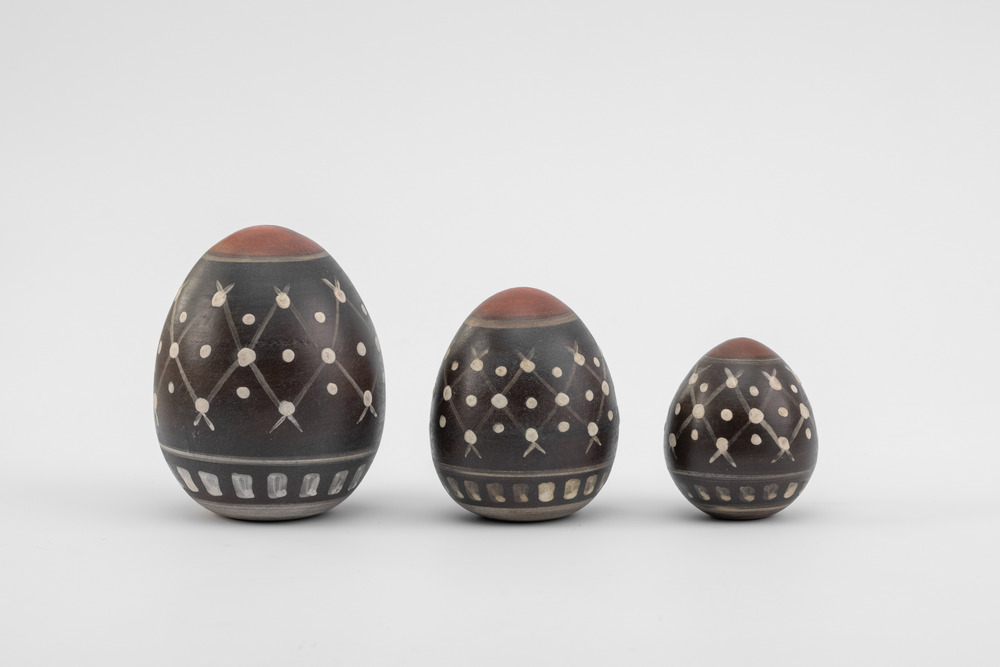
Ceramic eggs, in contrast, embrace a more playful visual language. Their bright, abstract patterns are drawn from the decoration of ancient spindle whorls once offered by brides-to-be at the Sanctuary of Nymphe. These small objects, tied to ritual and transition, find a subtle parallel in the symbolism of Easter itself.
Animal Forms, Reimagined
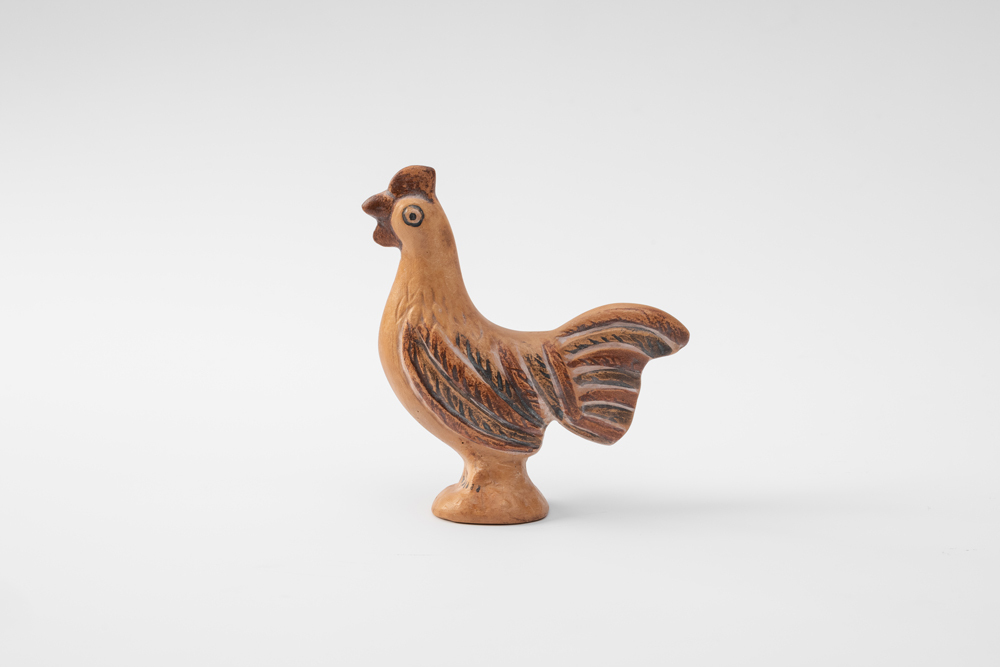
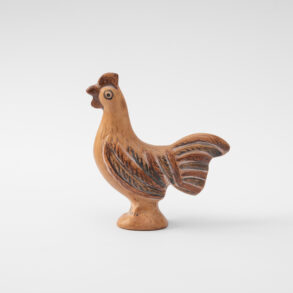
Animal figures appear throughout the collection, each rooted in a specific archaeological reference. A small ceramic rooster recalls a painted clay plate from the early 5th century BC, where the bird shares space with a lotus flower and a lizard in a carefully balanced composition.
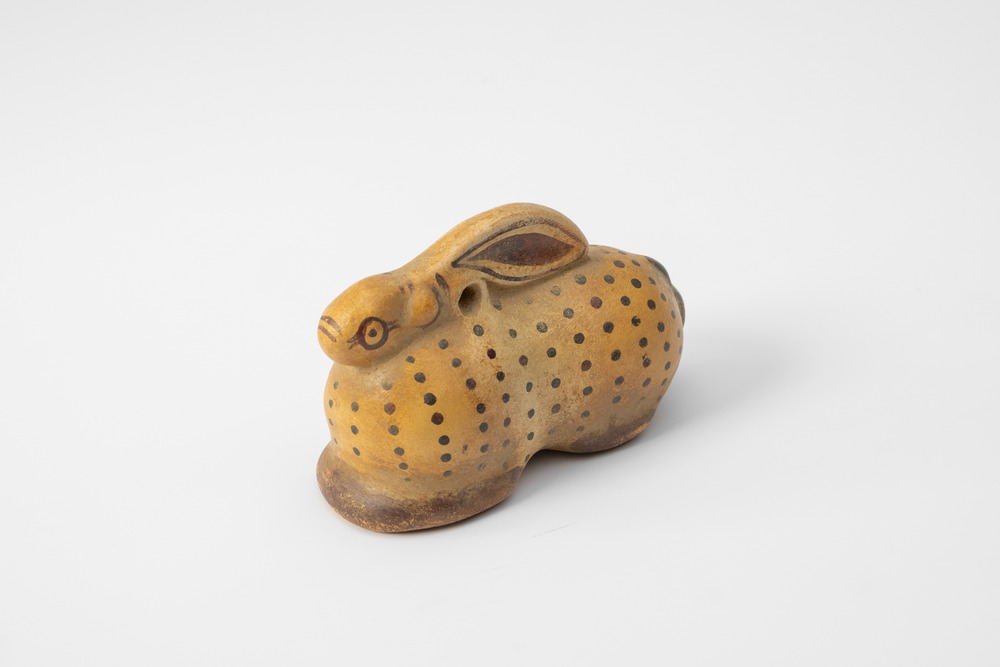
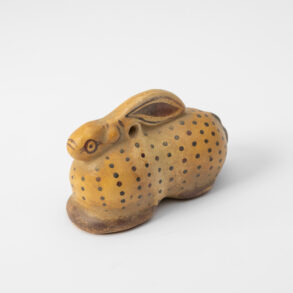
Nearby, a ceramic hare reinterprets an ancient vessel once used for perfumed oil. Its form is both functional and playful, with a detail beneath the ears that once allowed it to be suspended. In its contemporary version, it becomes an object that bridges utility and narrative.
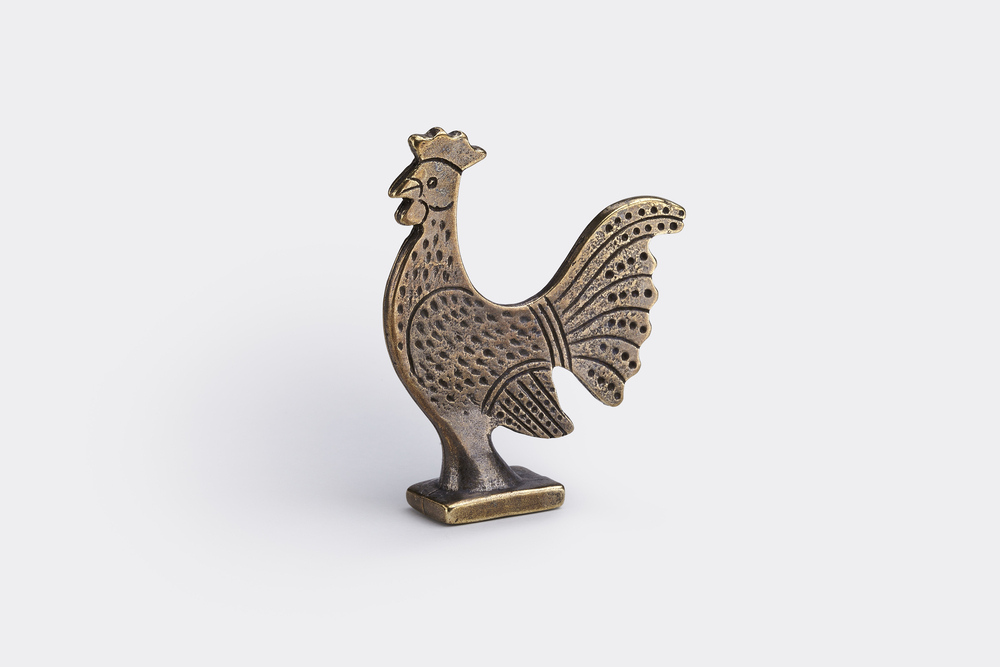
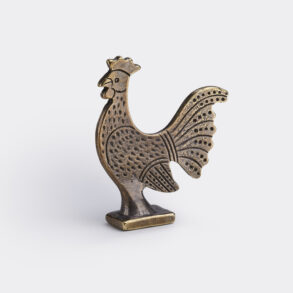
A more minimal interpretation is found in the bronze rooster, inspired by a votive figurine dedicated to the Acropolis. Reduced in scale and detail, it retains the symbolic weight of its origin.
Textiles with a Past
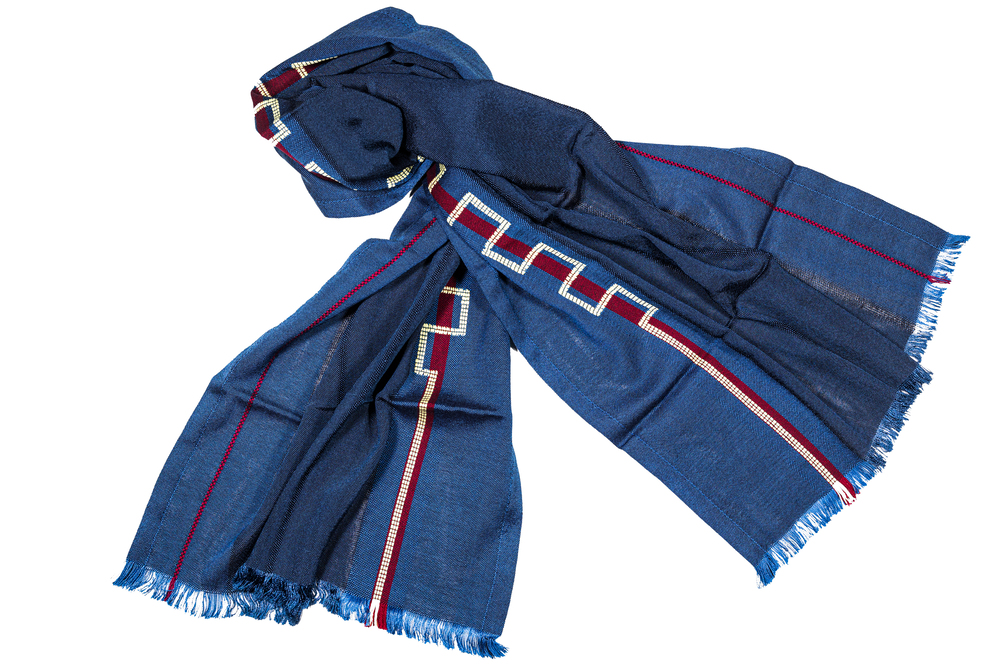
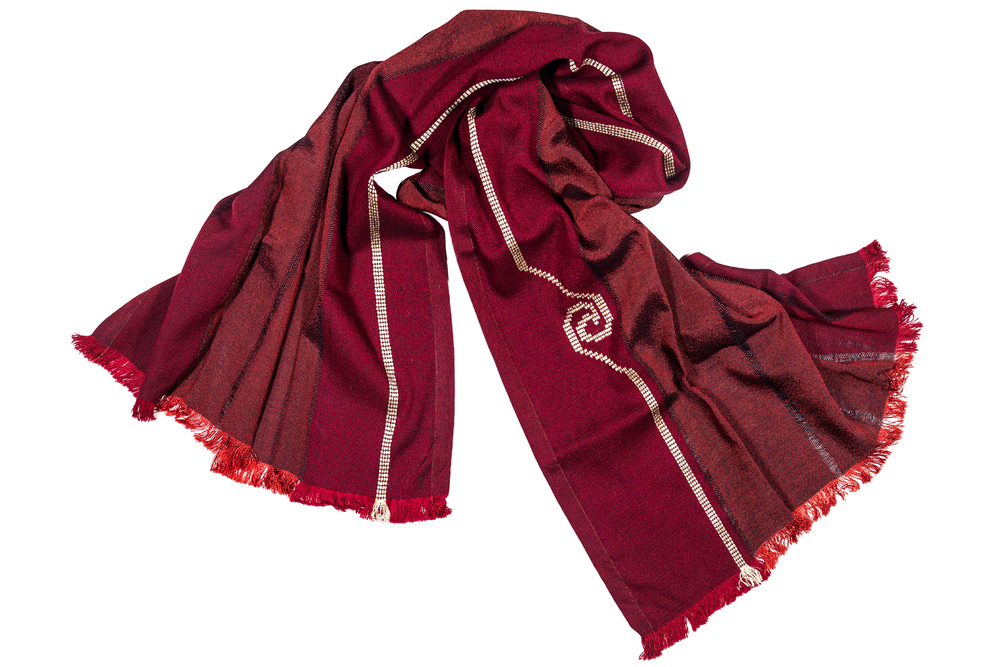
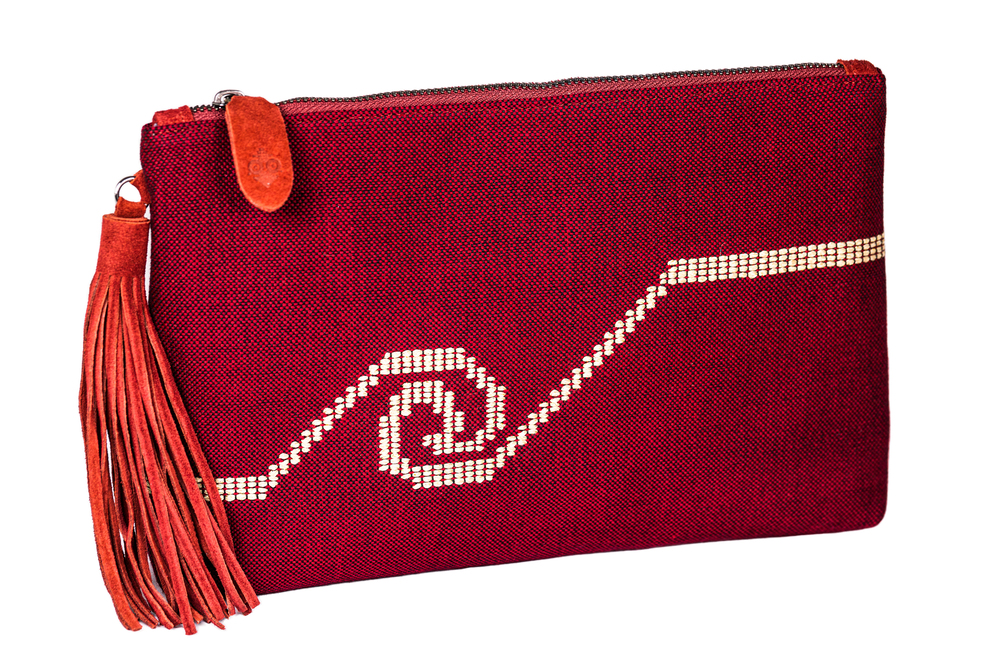
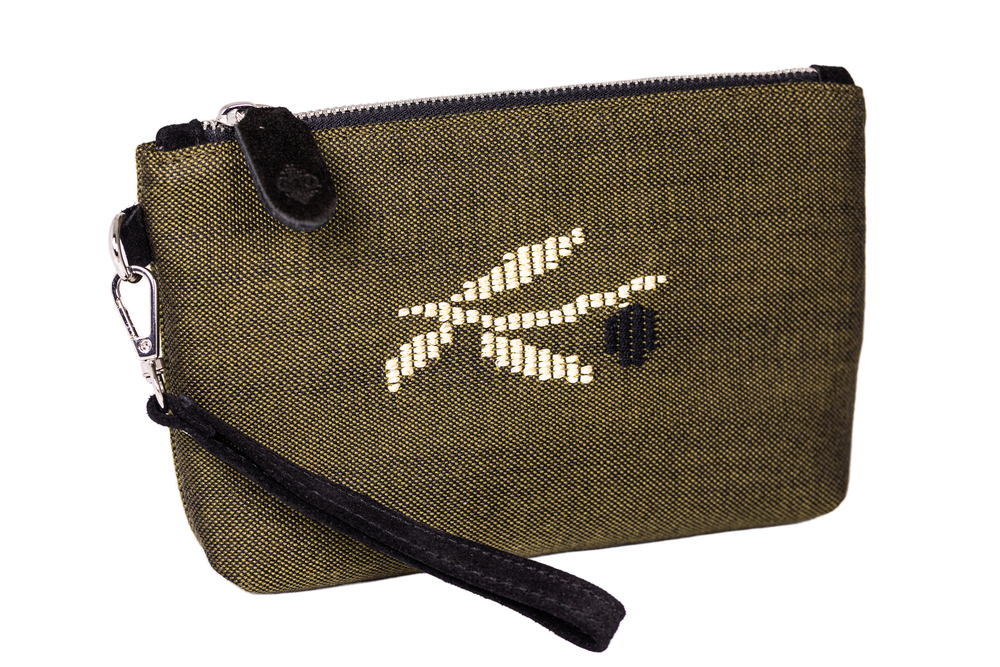
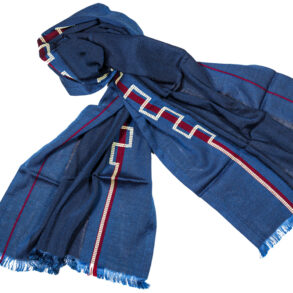
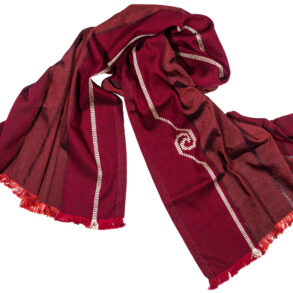
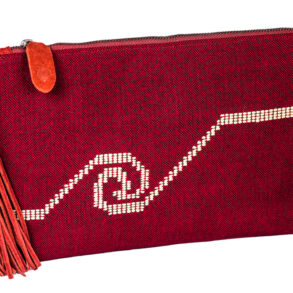
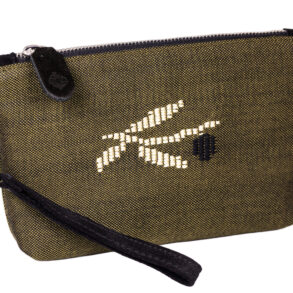
The collection extends into textiles, where ancient sculpture and inscriptions are translated into woven form. Bags and scarves draw on details from reliefs and garments preserved in the Museum.
An olive motif, rendered in plant-based silk, references an honorary decree for Alceta, King of the Molosses, while another series takes inspiration from the intricate patterns of the so-called Peplos Kore, one of the most recognisable figures of the Archaic period. These are not literal reproductions, but interpretations that preserve the rhythm and balance of the original designs.
Small Objects, Lasting Meaning
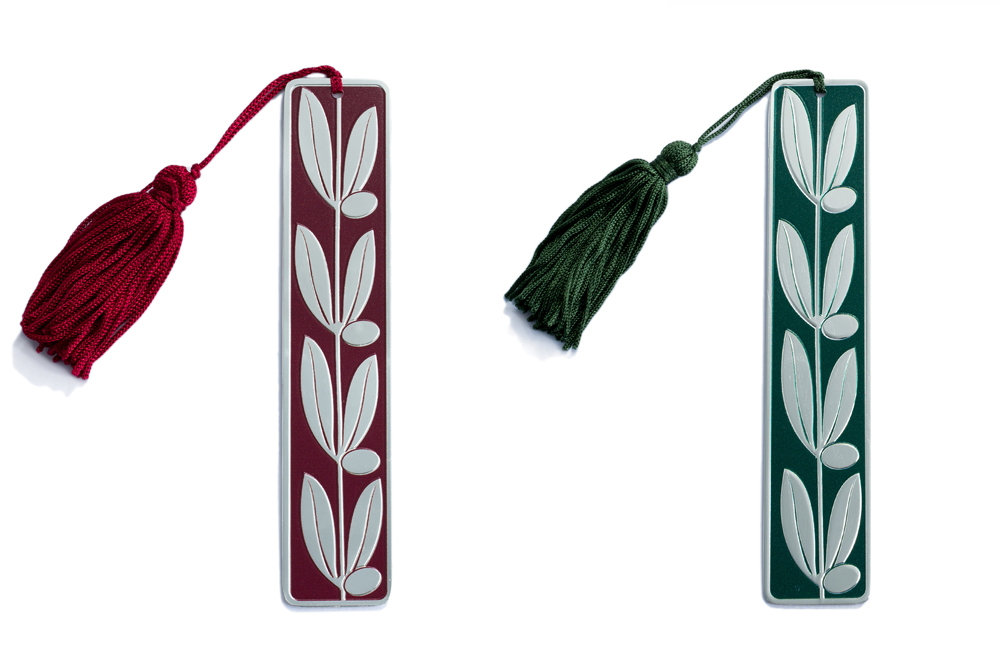
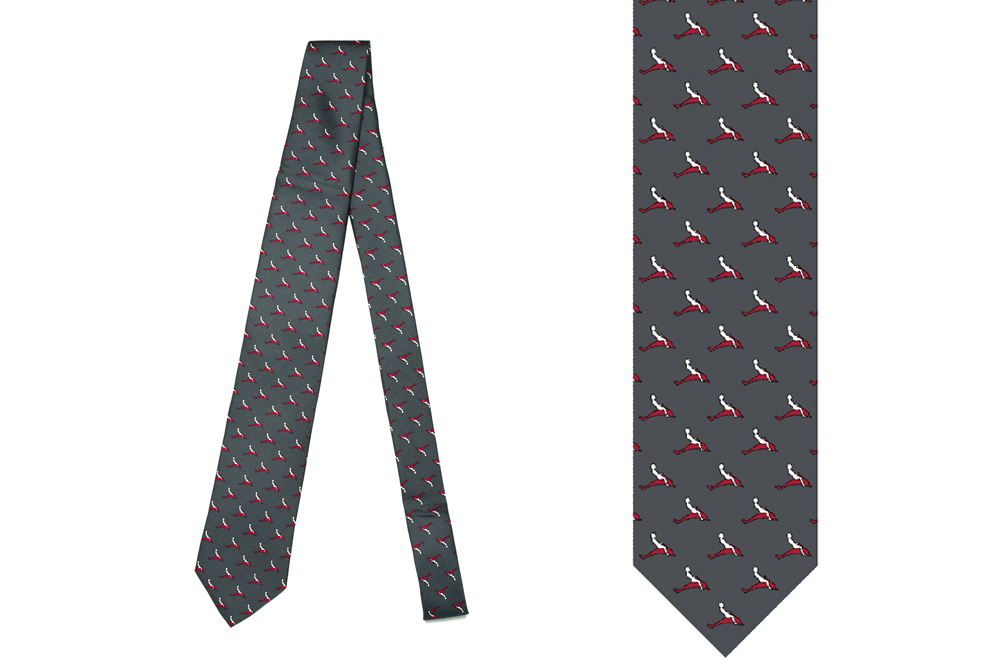
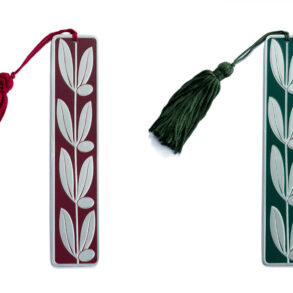
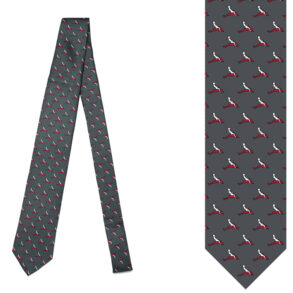
More intimate objects complete the selection. A silk tie features a repeating motif of a youth riding a dolphin, drawn from a bronze vessel of the 5th century BC. A silver bookmark, adorned with a laurel design, echoes the decorative language of red-figure pottery.
Each piece, regardless of scale, carries a reference that connects it to a specific moment in antiquity.
For Easter, this approach feels particularly fitting. These are gifts that do not seek attention, but reward it. Objects that hold their meaning quietly, revealing their origins over time. Discover the Museum’s recommendations and choose your favorite Easter gifts here.