
Stavros Katsikadis on the Athens Riviera’s marinas at the forefront of a new era of growth.
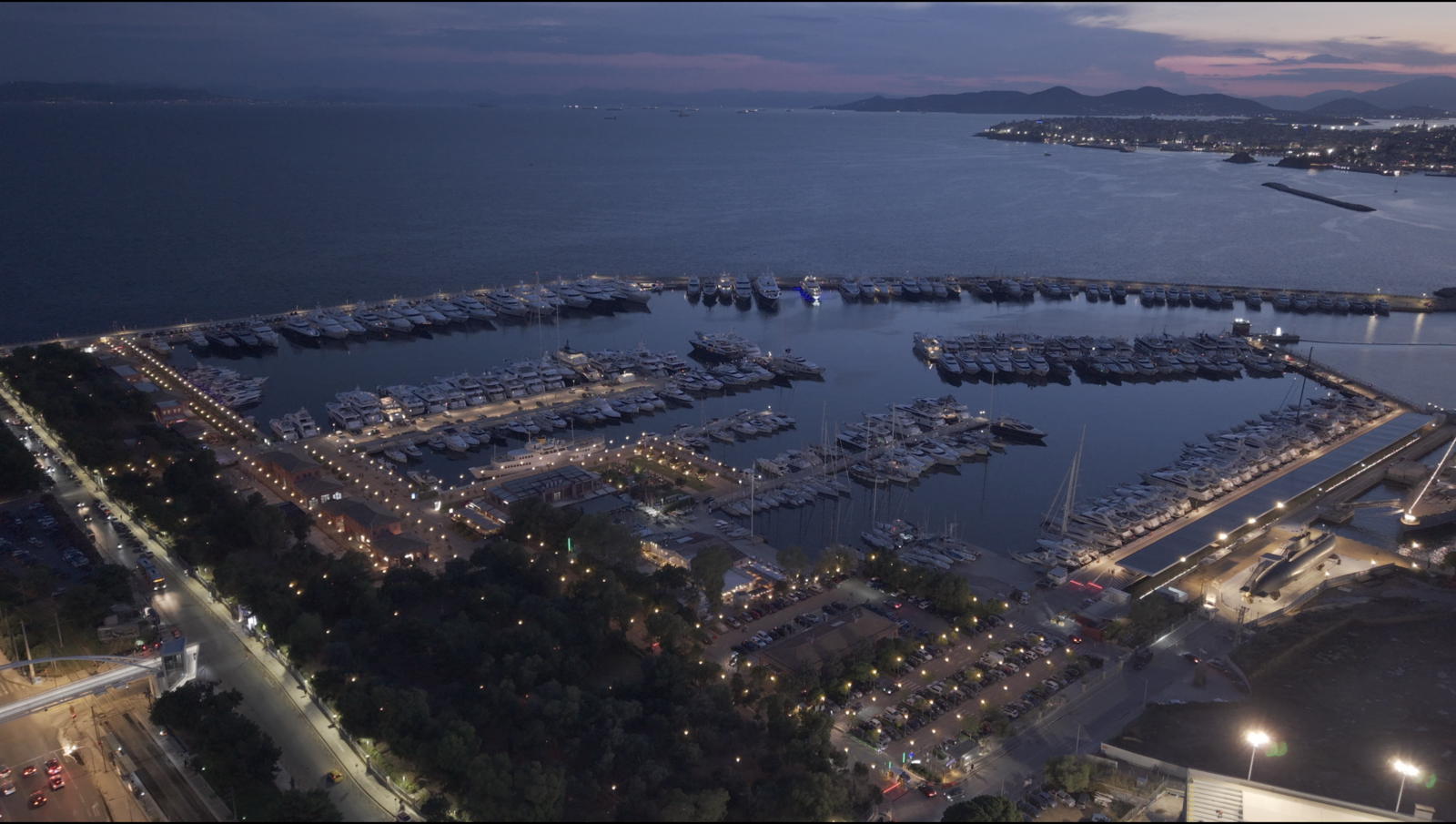
The Athens Riviera is rapidly emerging as one of the Mediterranean’s most dynamic maritime destinations. Major investments in marina infrastructure, the upgrading of existing facilities, the utilisation of Recovery and Resilience Facility funding, and the integration of new technologies are shaping a new development landscape for the Greek yachting sector. For the first time in the history of Posidonia, Greek yachting was the subject of a dedicated panel discussion, confirming the sector’s strategic importance for tourism and the national economy.
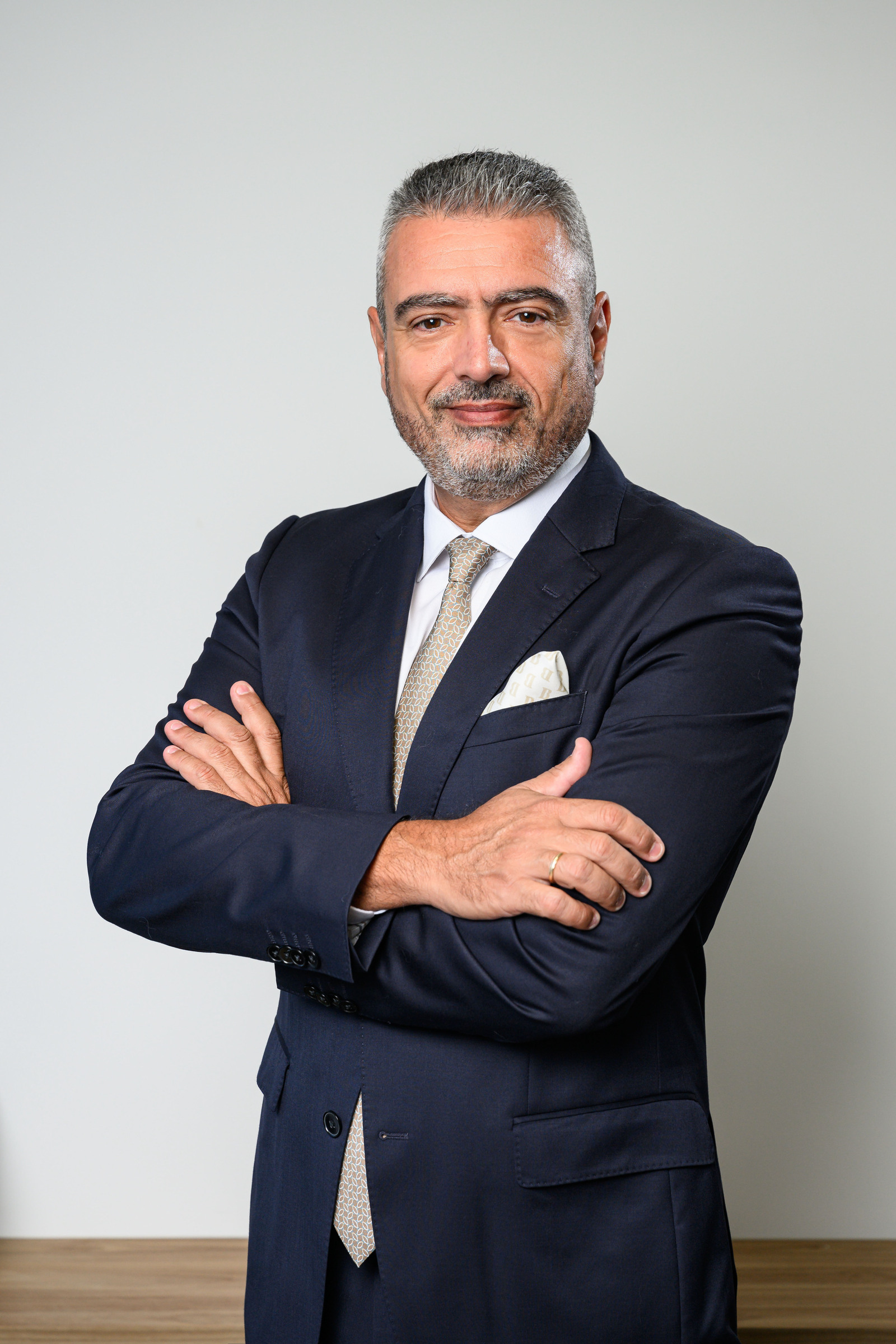
Stavros Katsikadis, Managing Director of LAMDA Marinas Investments and President of the Greek Marinas Association, speaks to Athens Riviera Journal about the challenges and opportunities that lie ahead, analysing the saturation of Attica’s marinas, the investments reshaping the Riviera, and the vision for a modern, sustainable and technologically advanced network of tourist marinas.
Attica’s marinas are facing significant capacity constraints. What is the cost of this impasse and what solutions does the Greek Marinas Association propose?
The saturation of Attica’s marinas is one of the sector’s most pressing challenges. Demand for organised berthing facilities continues to grow steadily, while available capacity remains limited, particularly for larger yachts and mega yachts. The opportunity cost extends well beyond the marinas themselves. Every vessel that cannot be accommodated in a marina translates into lost revenue for local businesses and marine support services. The inability to berth and retain in Greek marinas the thousands of yachts that pass through the country each summer for homeporting has a negative impact on the national economy. It is indicative that for every euro spent on berthing, an additional five to ten euros of economic activity is generated. The solution lies in implementing new investments, upgrading existing infrastructure and creating an integrated network of marinas operating in a coordinated manner. We must immediately develop plans for new berthing capacity and expand the marina network across Eastern and Western Attica. At the same time, a modern, stable and equitable regulatory framework is needed to accelerate licensing procedures and facilitate investment. Greece possesses all the comparative advantages required to play a leading role in the Mediterranean; what it now needs is the infrastructure that will allow it to fully capitalise on this potential.
At what stage are the new investments, and how are Recovery and Resilience Facility funds being utilised across the Athens Riviera?
We are currently experiencing the most dynamic investment period the marina sector has ever seen in Greece. Major projects are underway, including Agios Kosmas Marina at The Ellinikon, Chios Marina, the new marina in Nafplio, the upgrade of Athens Marina and the New Alimos Marina, where extensive works are commencing. Development plans are also progressing for the Mega Yacht Corfu Marina, Aretsou Marina and others. Collectively, these projects are increasing organised berthing capacity while significantly upgrading the quality of infrastructure and the services provided. They are creating modern destinations for recreational craft while enhancing the visitor experience by offering safe facilities with free public access. Through stringent environmental standards and structured quality management systems, they strengthen the sustainable development of Greek maritime tourism and support the wider economy. The Recovery and Resilience Facility is acting as a catalyst for this transition. By financing modernisation projects, energy upgrades and digital transformation initiatives, it is accelerating interventions that enhance the competitiveness of Greek marinas. The Athens Riviera is at the centre of this effort, and the projects currently being implemented will shape the area’s development for decades to come.
With Flisvos Marina leading the way in sustainability and digital transformation projects, are we witnessing the beginning of a new era for the marinas of the Athens Riviera? How prepared are they to evolve into modern, smart and environmentally sustainable infrastructure?
The transition towards smart and sustainable marinas is no longer a future aspiration; it is a present-day necessity. Marinas are increasingly expected to operate as integrated infrastructure combining digital services, efficient resource management and high environmental standards. Today, we are witnessing significant investments in digital berth management and reservation systems, energy monitoring, customer service solutions and enhanced safety across both the landside and waterside areas of marinas. At the same time, the energy transition is becoming ever more important, with projects that reduce environmental impact while strengthening the energy autonomy of marina facilities. Flisvos Marina is a prime example of this new era. Through targeted investments in digital transformation and sustainability, it is implementing one of the sector’s flagship projects: a photovoltaic canopy financed through the Recovery and Resilience Facility. This project will help meet part of the marina’s energy requirements while further enhancing its overall environmental performance.
Furthermore, only last month, Flisvos Marina and Agios Kosmas Marina took delivery of three new fully electric harbour service boats, bringing to fruition a five-year plan to eliminate emissions from the marinas’ service fleet. I believe this is the direction that the next generation of marinas will follow: infrastructure that leverages technology, respects both the environment and people, and delivers premium-quality services while responding effectively to the challenges of sustainable development.