
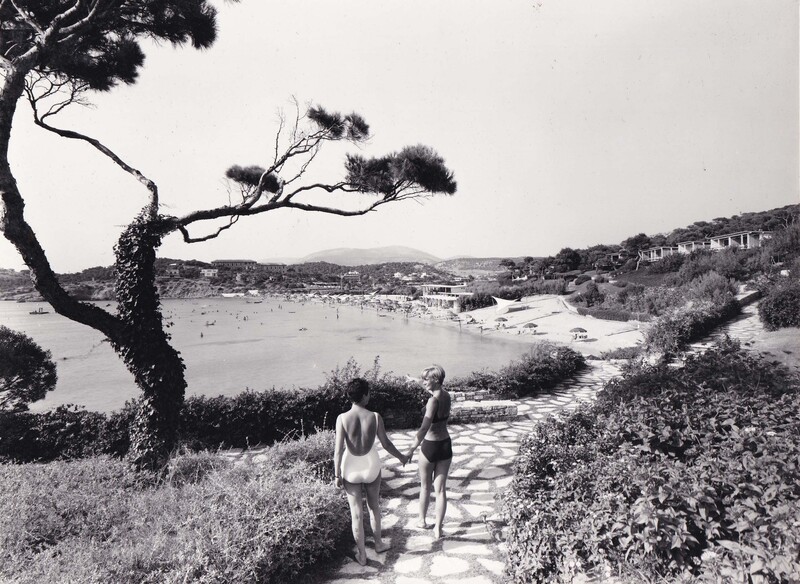
A shoreline that taught Athens to look toward the sea and, at the same time, towards the future.
There was a time in post-war Greece when the journey to the sea was, in itself, an escape and an experience. Leaving behind the city’s dense streets, the road opened onto a world flooded with light, sea air, and an open horizon. On summer afternoons, the coastal avenue filled with families, groups of friends, and couples seeking a few hours of cool relief by the water. The concept of the Athenian Riviera, as we know it today, did not yet exist. Yet there was already a sense that this coastline concealed something special.
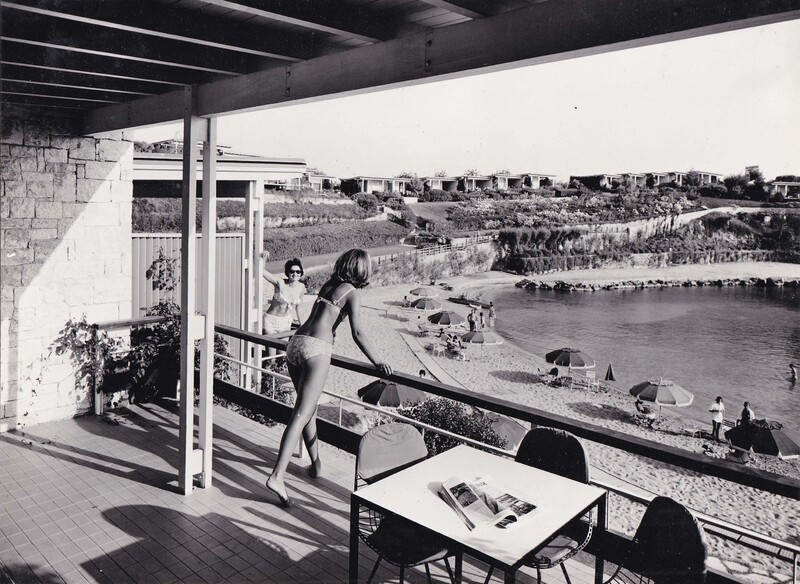
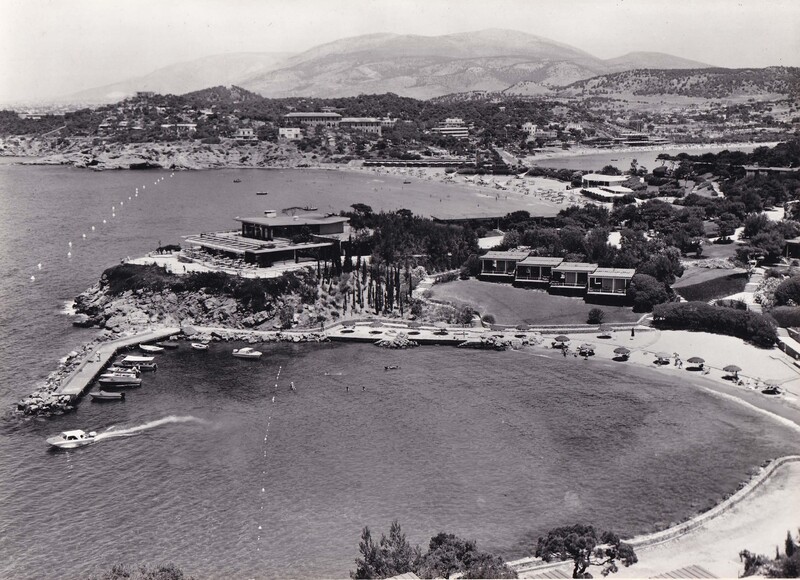
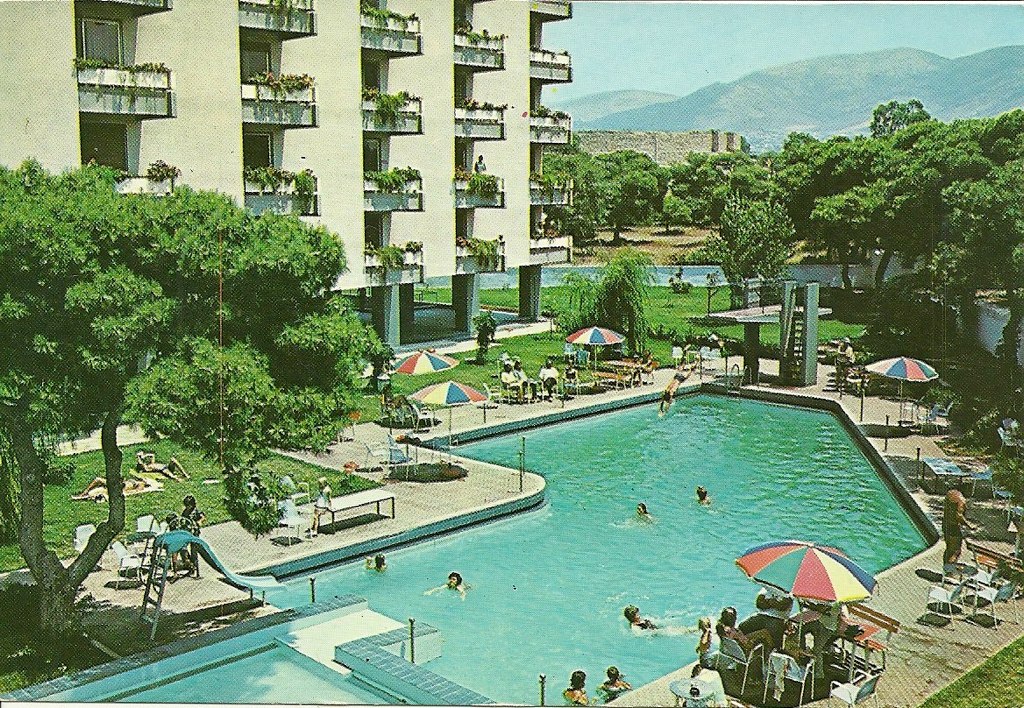
During the 1950s and 1960s, the country was searching for a new identity. Development, tourism, and a growing openness to the world began to transform the landscape, and Athens’ coastal zone became one of the most dynamic expressions of this change. The sea was no longer merely a natural resource or a place for summer recreation. It was gradually being transformed into a symbol of a new way of life. The first major hotels that rose along the coast, such as the legendary Astir Palace, which immediately became synonymous with the Greek dolce vita, came to embody this new ambition. Their architecture embraced the language of modernism: clean lines, open spaces, and expansive surfaces that invited natural light into every corner. For the first time, the sea view was not simply an advantage; it became the central element of the experience. The relationship between indoors and outdoors was redefined, creating a new perception of what life by the water could be.
At the same time, the coastline was evolving into a meeting place for a society that was gaining ever greater confidence. The beaches, fashionable venues, and summer entertainment spots became places where everyday life met imagination.
Nights by the sea acquired their own ritual: music, dancing, encounters that began with a drink and often ended with the sunrise over the Saronic Gulf. Yet it was not only reality that was changing. The image the country held of itself was changing as well. Greek cinema of the period captured this transition better than any other medium. The beach, the marinas, and the summer evenings appeared as symbols of a Greece that was modern, optimistic, and outward-looking. The sea became both backdrop and protagonist of a new aesthetic that united cosmopolitan living with the Greek light in the most beautiful corner of Attic land.
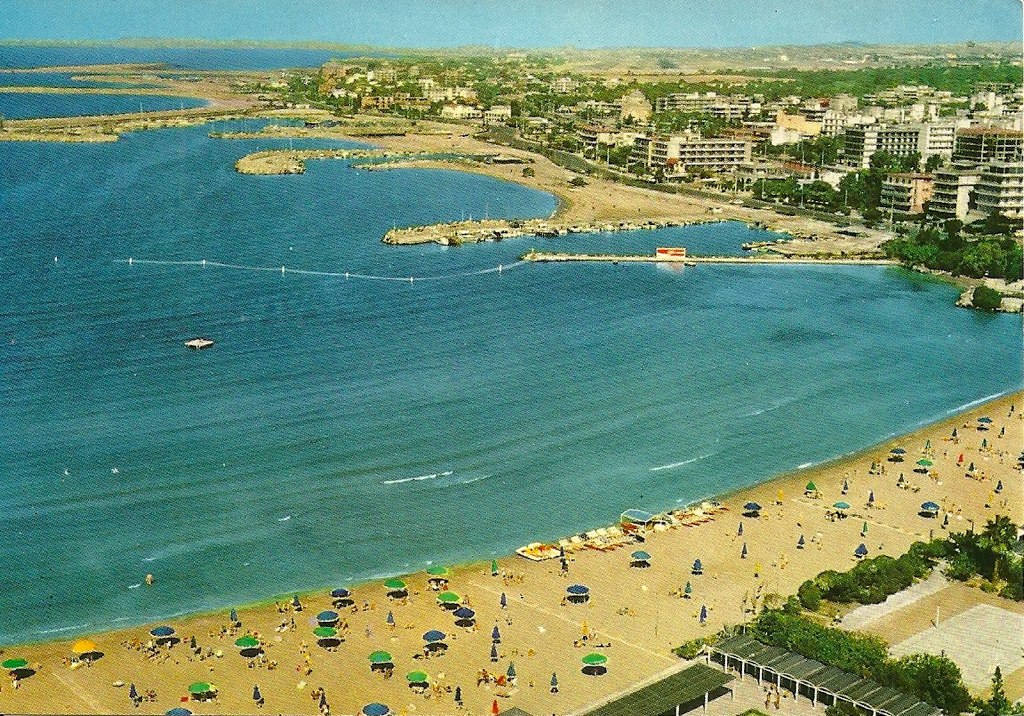
Over time, the coastline acquired an identity that extended far beyond the city’s boundaries. The southern suburbs and neighbouring coastal districts gradually began to weave a shared narrative. It was the place where Athens met summer, where urban life coexisted with relaxation, and where everyday life could take on the feeling of a holiday without anyone having to leave the city behind.
Today, the Athenian Riviera stands at the center of a new era of development. International investments, luxury hotels, upgraded marinas, and new residences are reshaping the coastline’s future. The area has now gained global recognition and attracts visitors, entrepreneurs, and investors from every corner of the world. And yet, behind its contemporary image, something of the atmosphere of those first decades still remains. The light falling upon the sea at dusk. The sense of freedom that accompanies a walk beside the waves. The promise that life can be a little slower, a little brighter, a little closer to nature.
Perhaps this is the true story of the Riviera. Not the story of buildings, investments, or numbers, but the story of a relationship between a city and its sea. A relationship that began decades ago, passed through different eras, and continues to shape the way Athens imagines its future. The “golden years” of the coastline belong not only to the past. They survive as an idea, as an atmosphere, and as a constant reminder that the greatest luxury is not always something new. Sometimes, true luxury lies in a place’s ability to remain timelessly alluring.