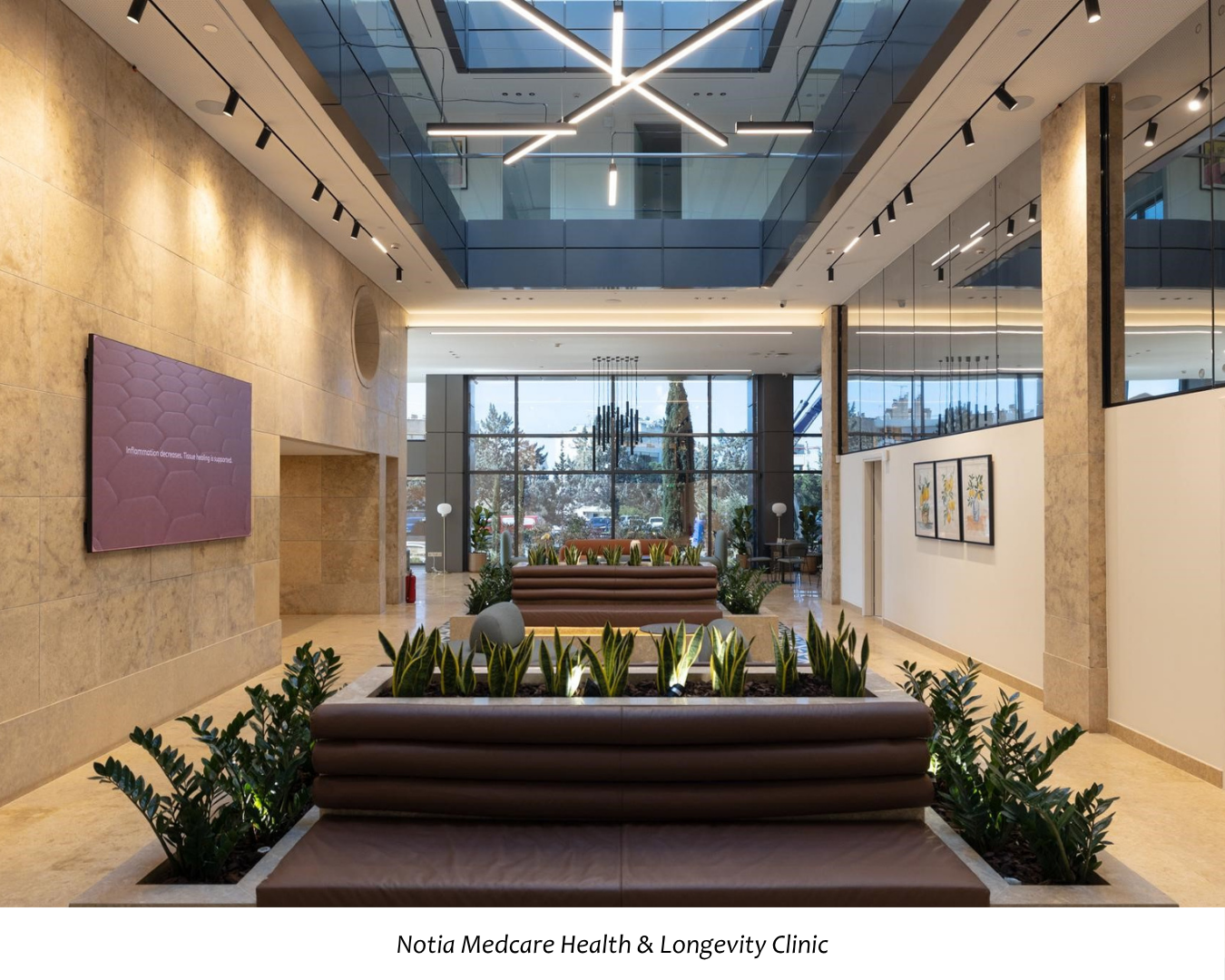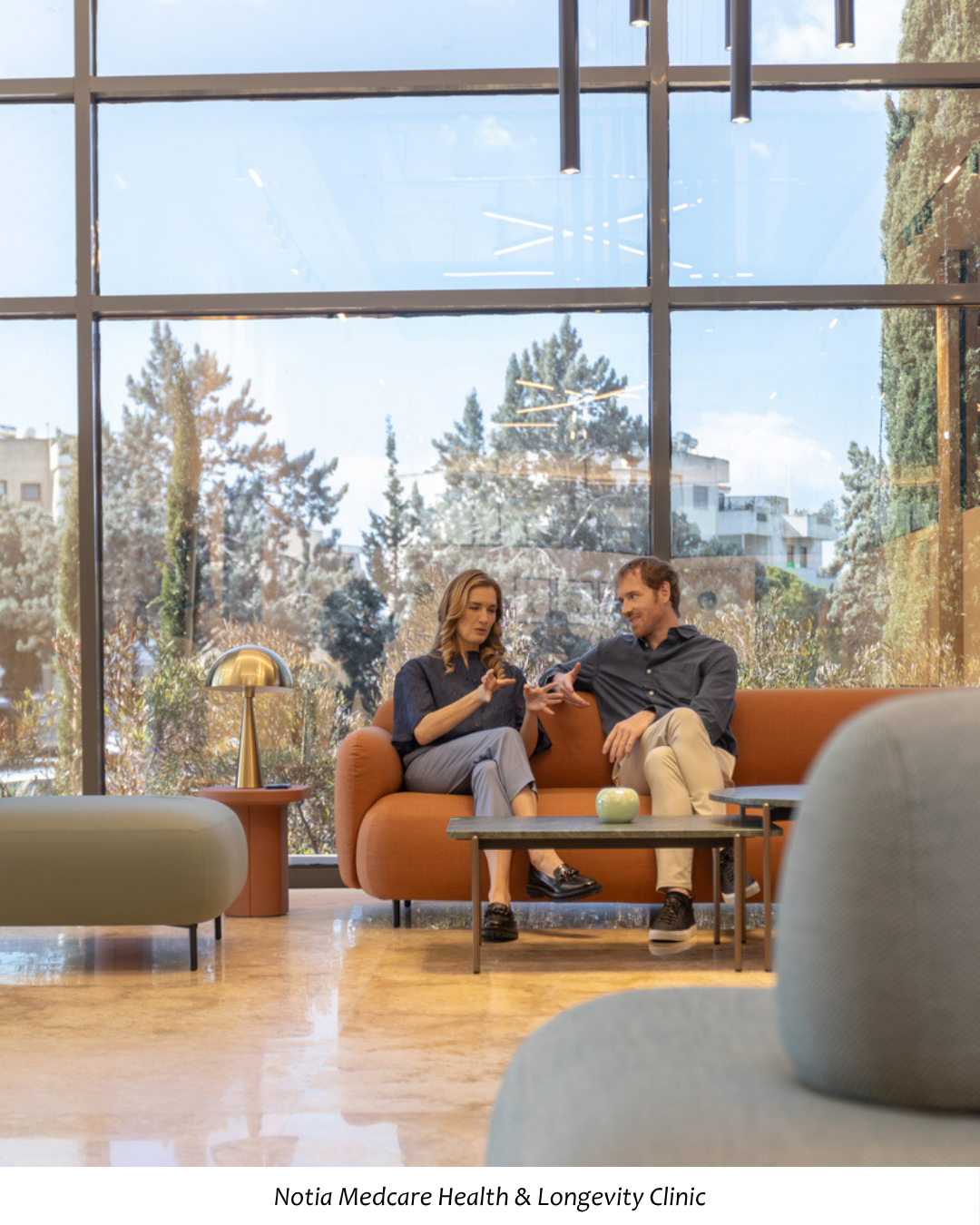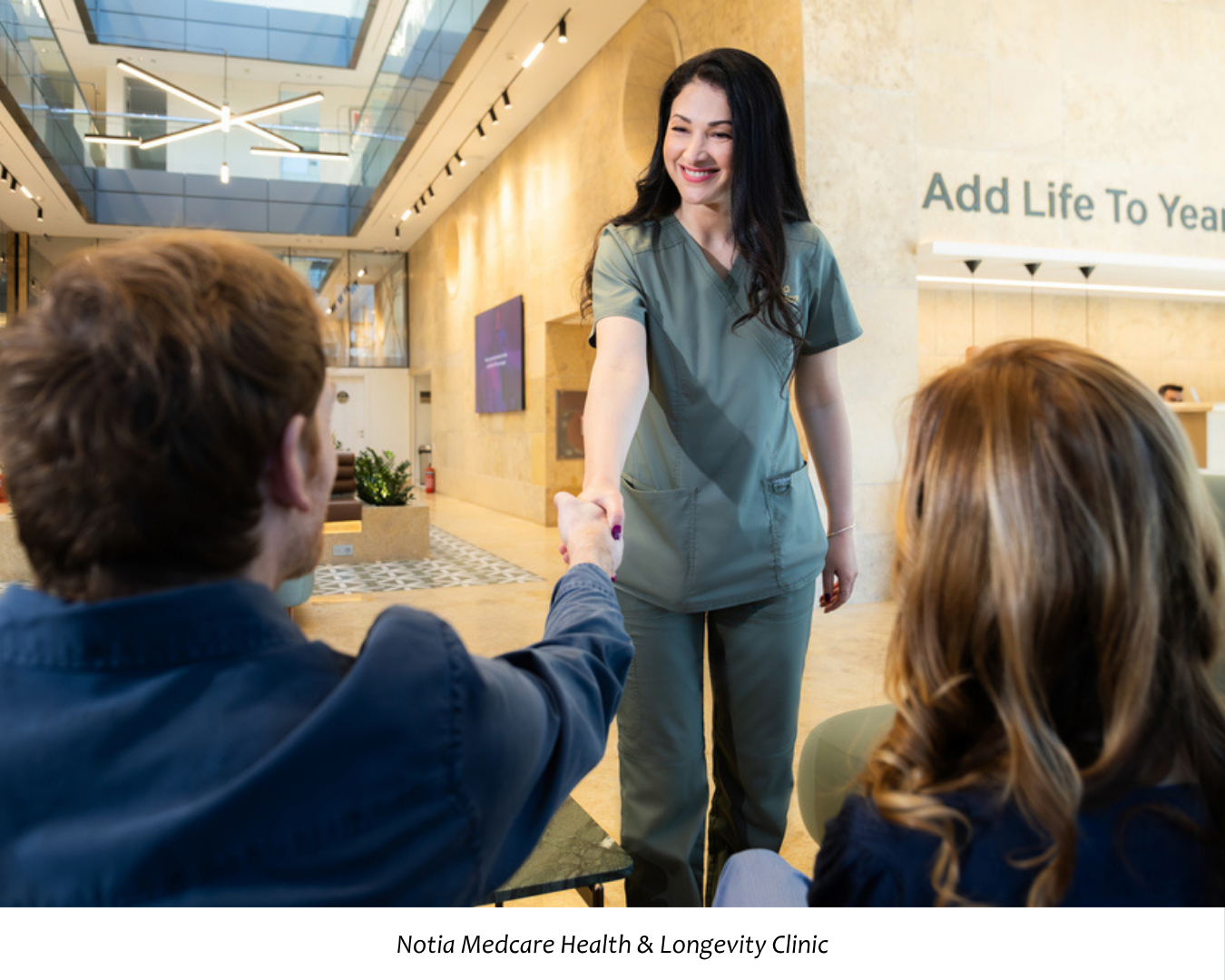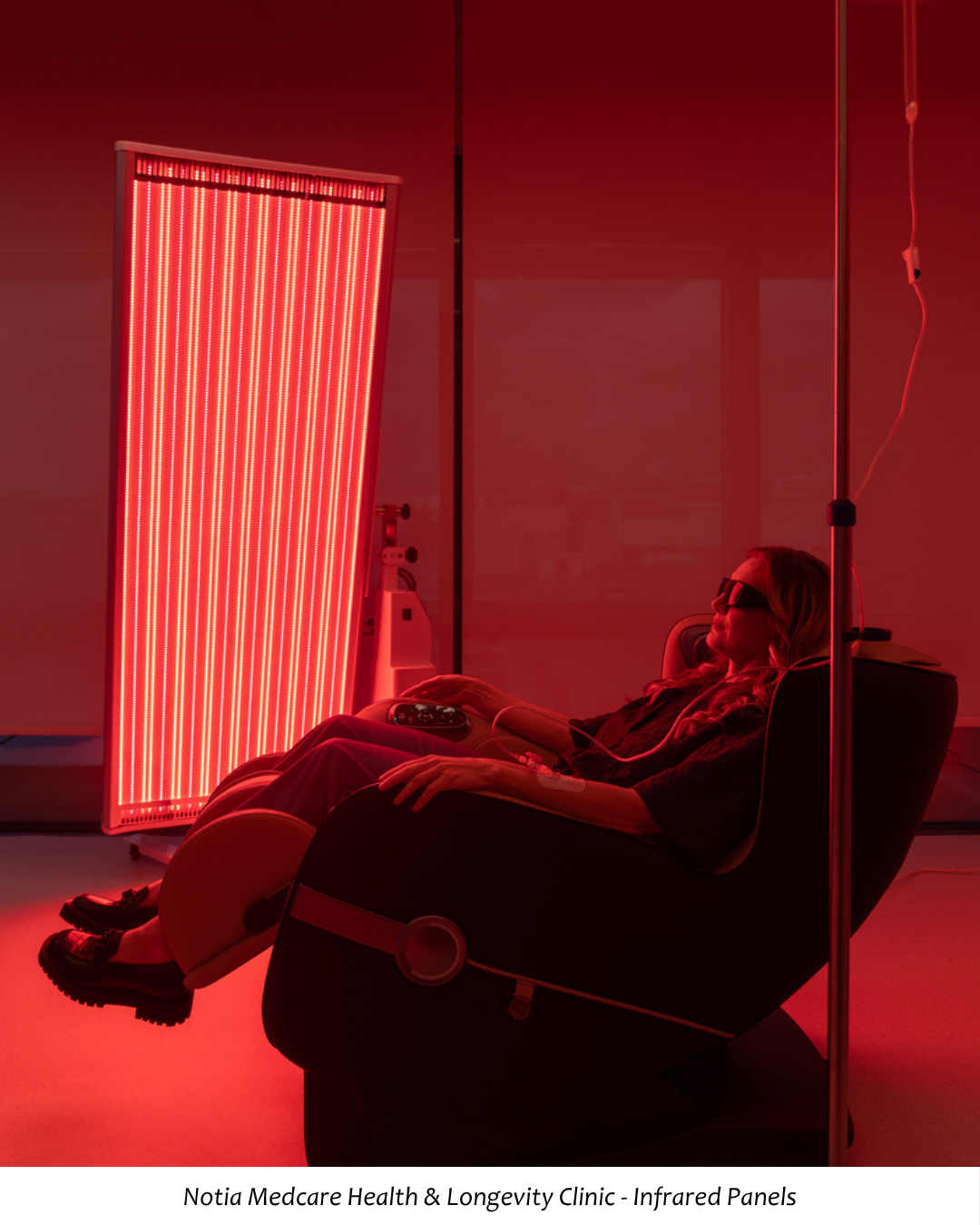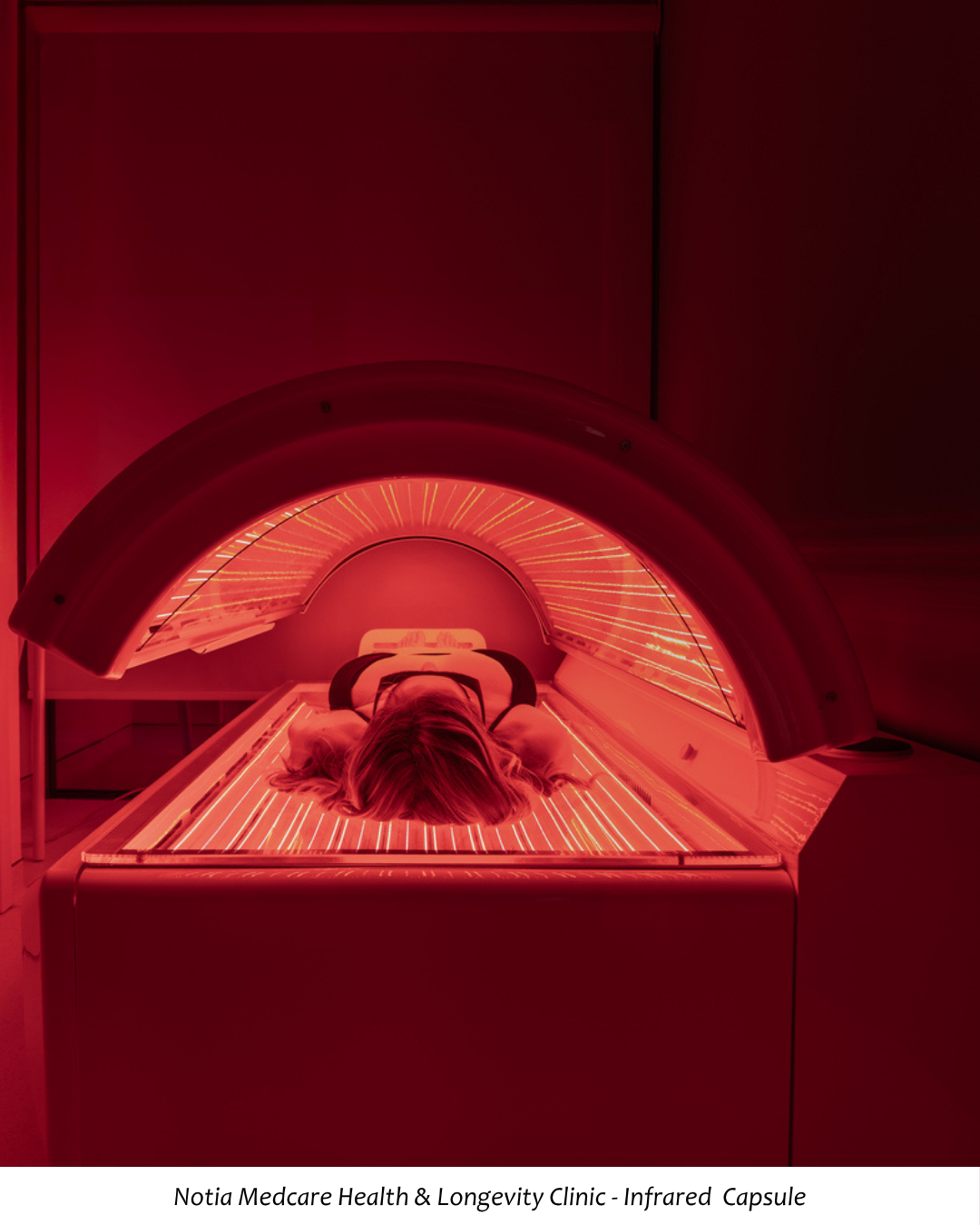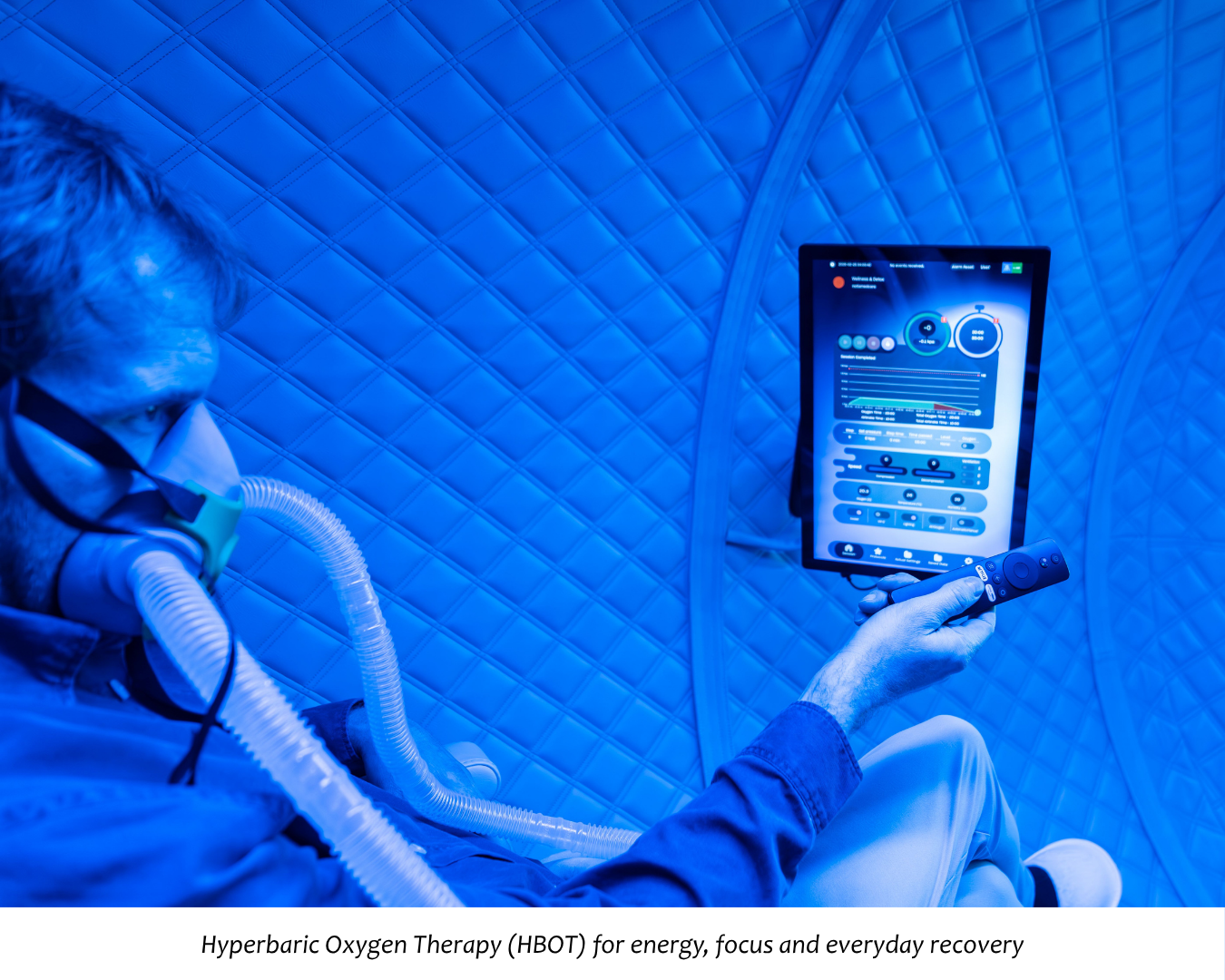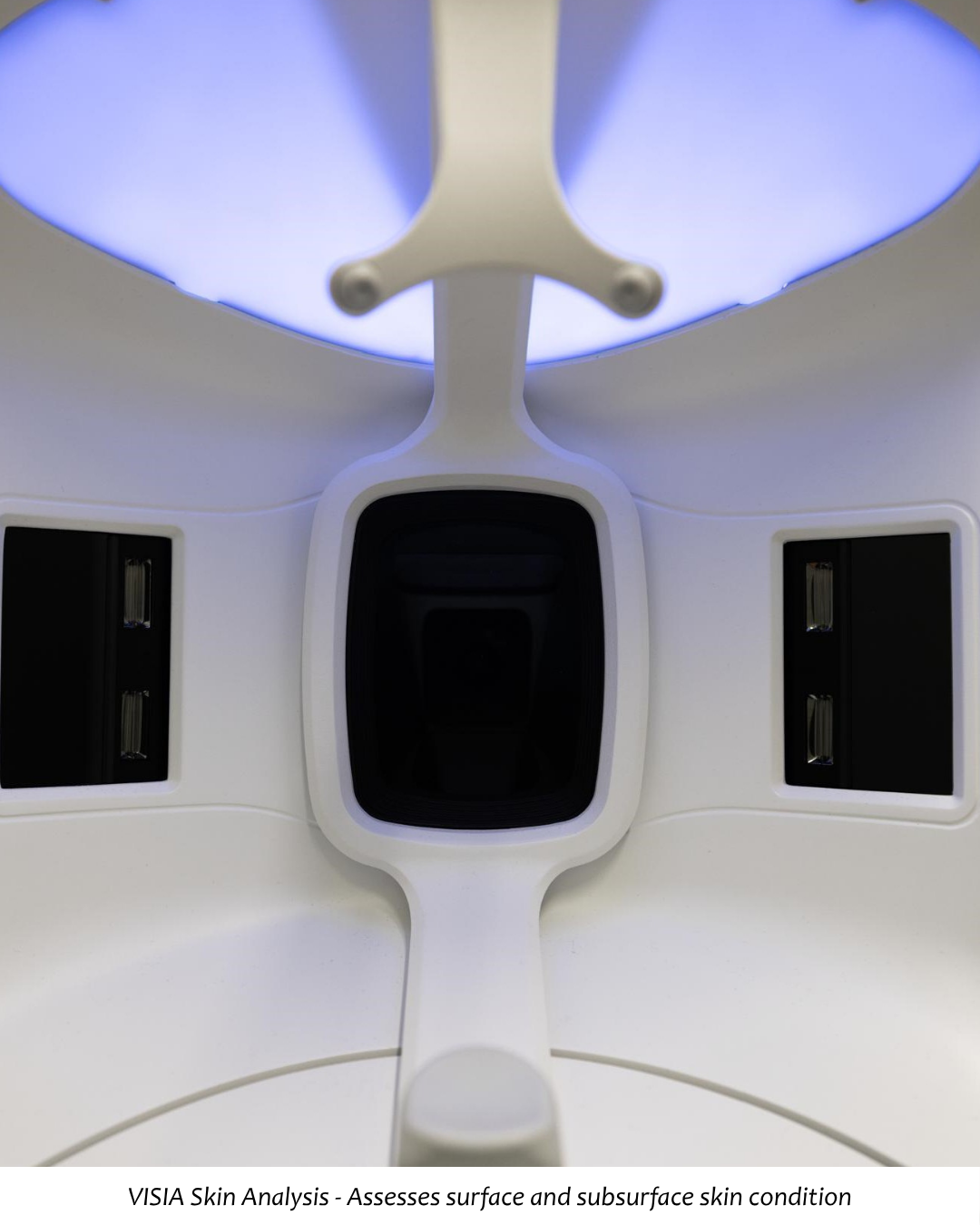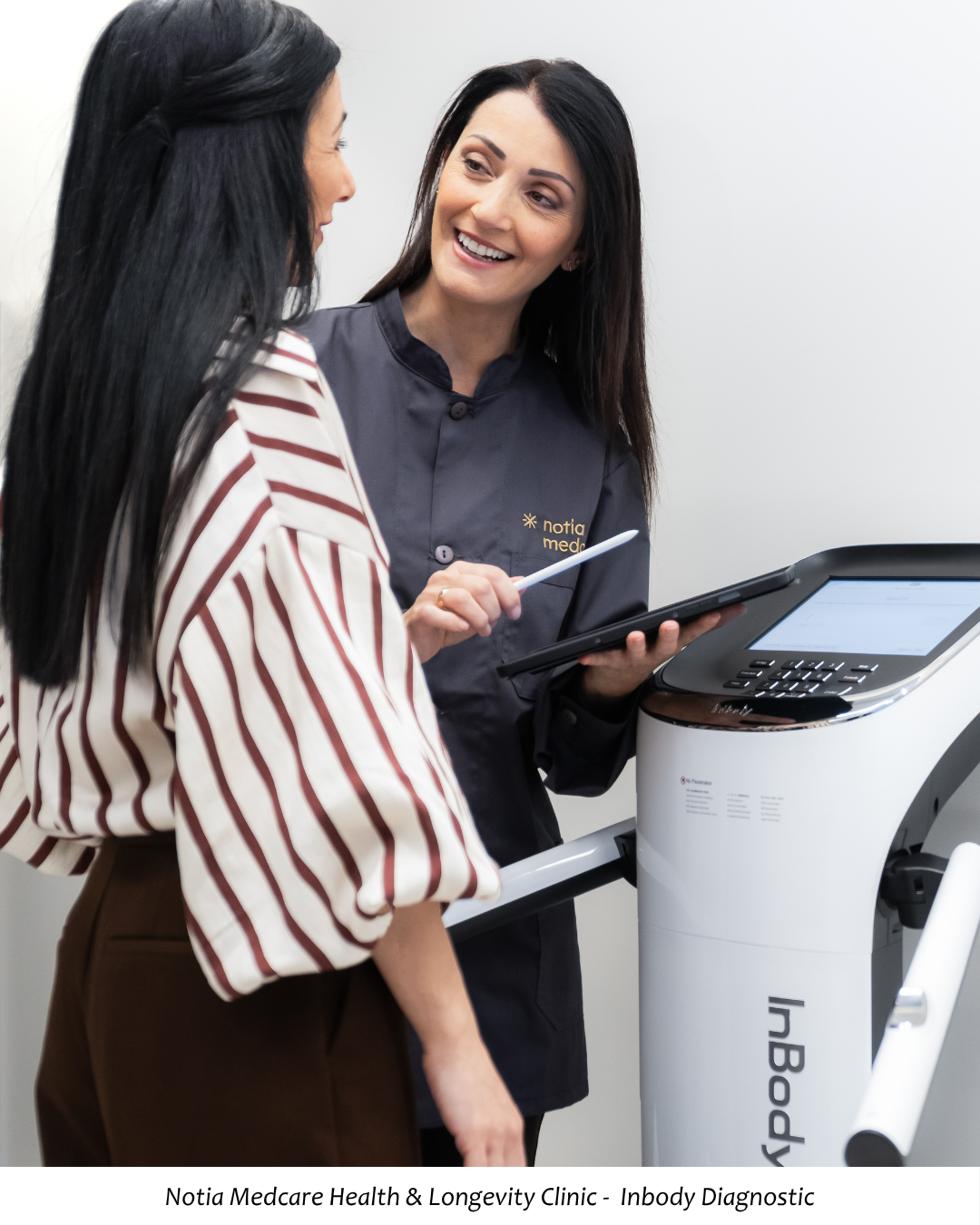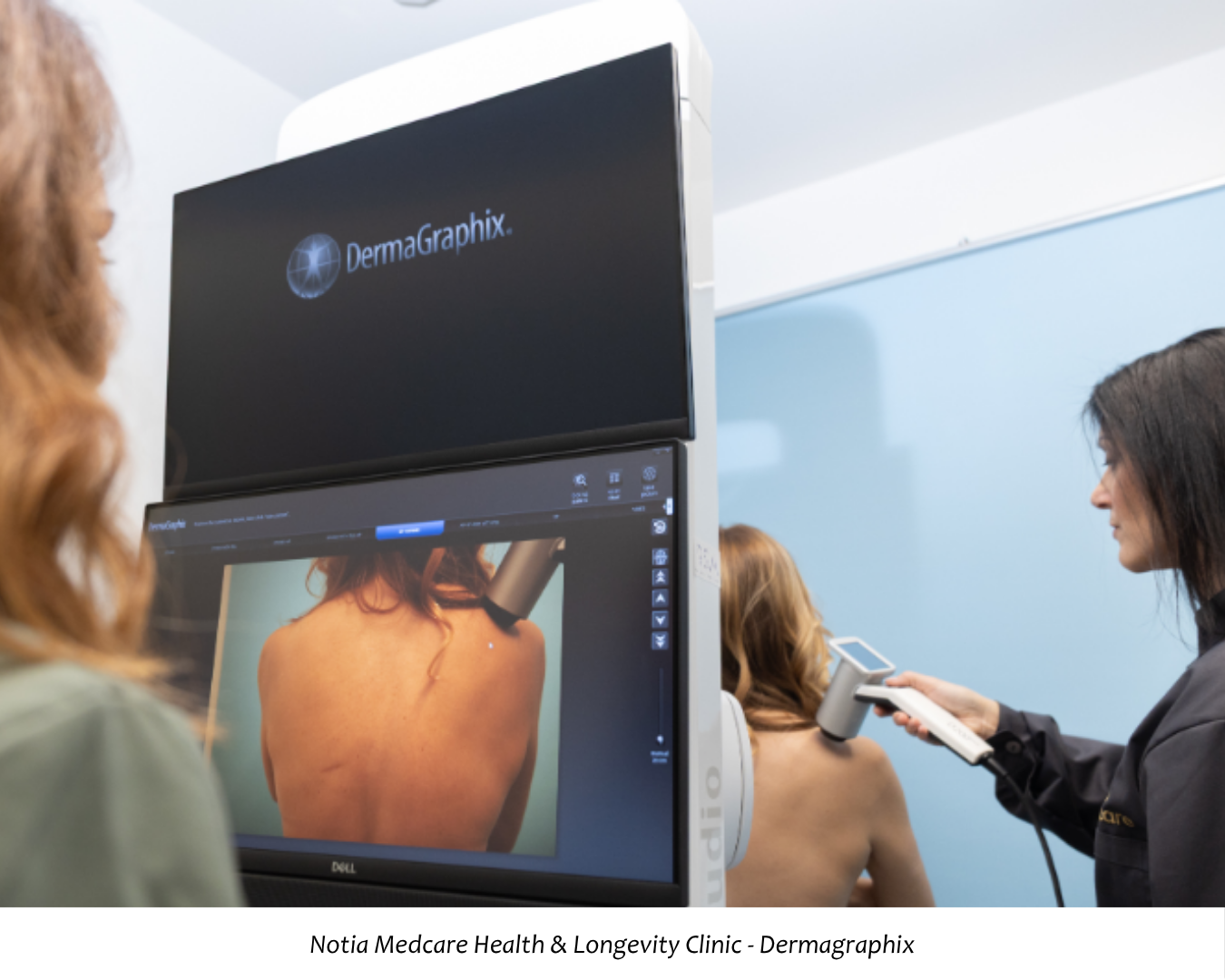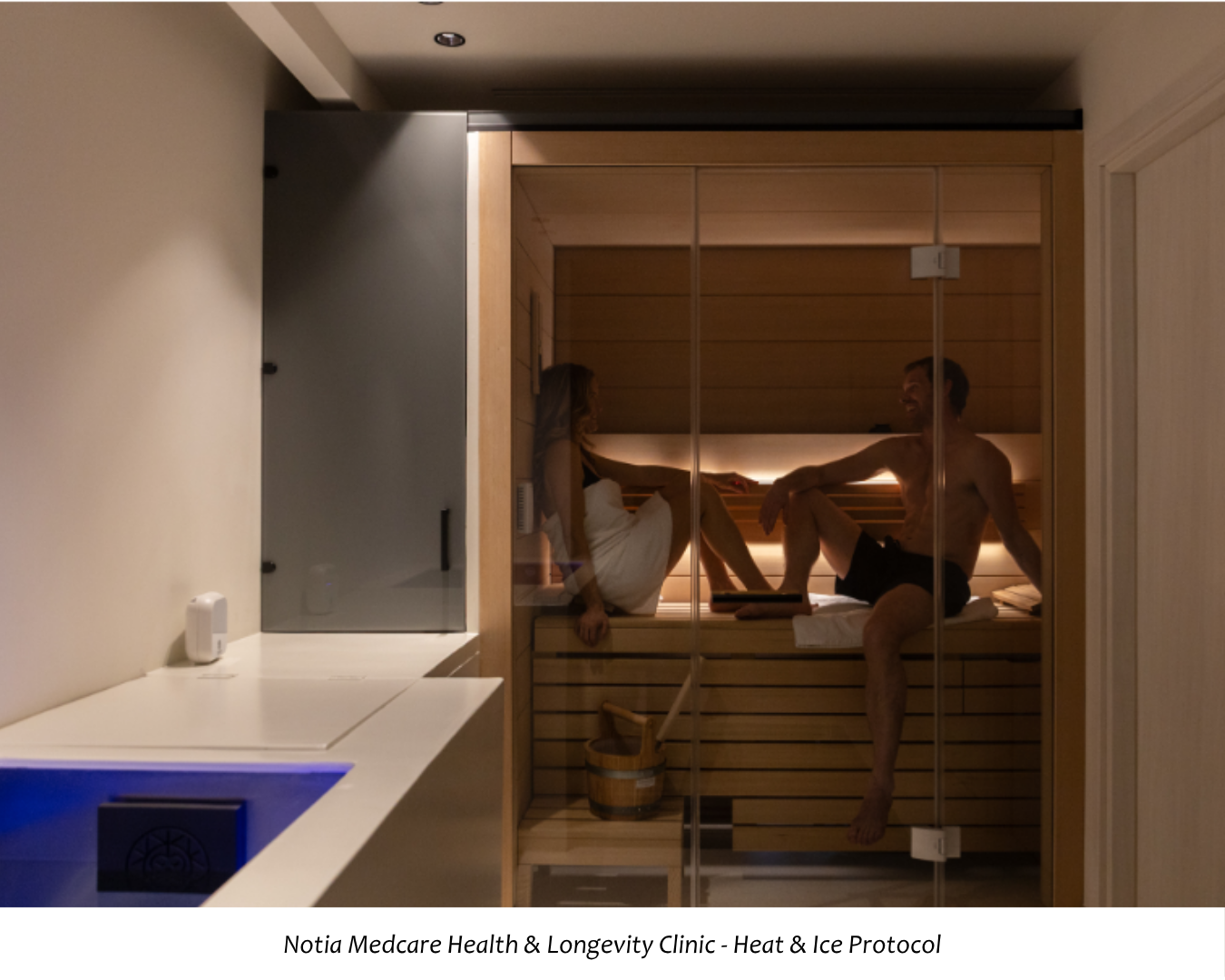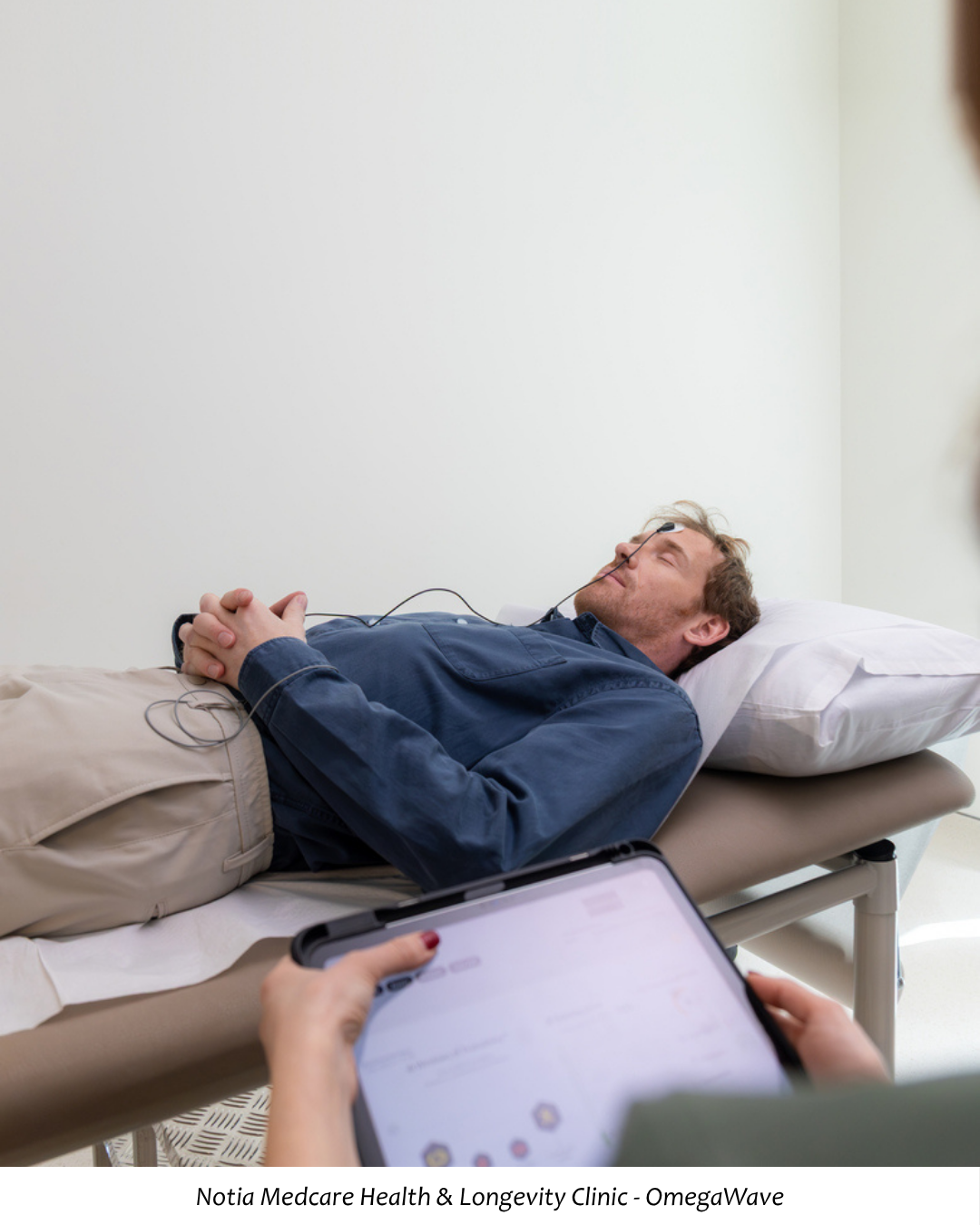

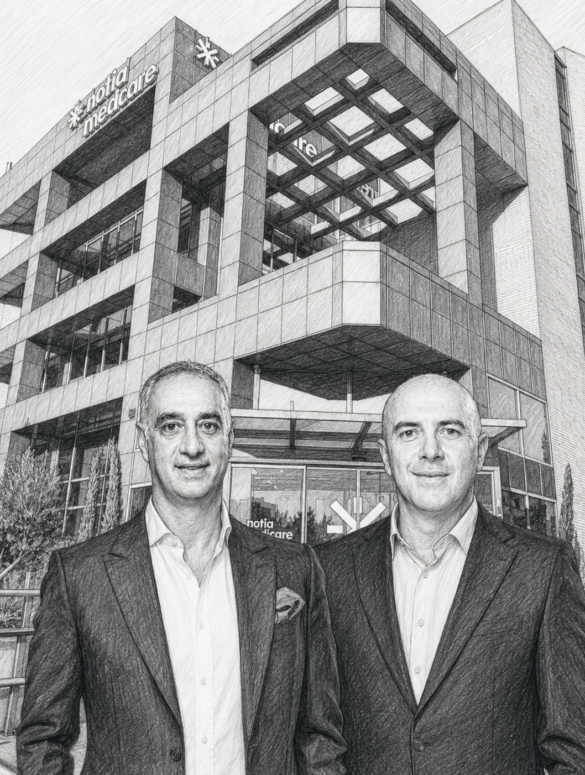
At Notia Medcare Health & Longevity Clinic in Glyfada, prevention, precision medicine and personalised care come together in an integrated approach to health and longevity. Dr Ioannis Kalaitzis, General Medical and Scientific Director, discusses the Clinic’s philosophy and scientific foundation, while Karim Smaira, Board Member and Co-Founder of Notia Medcare, shares its strategic vision for growth and the Athens Riviera’s emerging role on the global health and longevity tourism map.
What is your approach to longevity, and what makes this model stand out?
Dr Ioannis Kalaitzis: At Notia Medcare Health & Longevity Clinic, we approach longevity differently. Our aim is not simply to add years to people’s lives, but to add life to their years.
For us, true success is not merely living longer, but remaining healthy, active, productive and independent for as long as possible. This is what we mean by healthspan, and it lies at the heart of our philosophy.
What sets our model apart is the way it brings together the expertise of more than 15 medical specialties, functional medicine, precision medicine and the most advanced diagnostic technologies within one integrated health experience, all under one roof. We do not view people in fragments; we take a holistic approach, seeking to understand the underlying factors that influence health and ageing.
By using advanced diagnostic tools, biomarkers, genetic and metabolic data, as well as artificial intelligence technologies, we are able to create a personalised prevention and health optimisation plan tailored to each individual’s needs.
I believe longevity is the next major chapter in medicine. We are moving from a system focused on treating disease to one designed to preserve and support health. That is precisely the vision behind Notia Medcare.
This pioneering Clinic is built around a multidisciplinary approach, bringing together more than 15 medical specialties. How do you create a unified care plan without the individual becoming lost in the complexity of medical information?
I.K. This is perhaps the most important challenge in modern healthcare. Today, information is not in short supply; what is missing is the ability to bring that information together.
A person may see ten different specialists and receive ten different opinions, tests and recommendations. The real question is: who connects all these elements into one coherent picture?
At Notia Medcare Health & Longevity Clinic, we have designed a model in which more than 15 medical specialties, functional medicine, advanced diagnostics and data-analysis technologies operate as one integrated ecosystem. We do not view a person as a collection of individual organs or test results, but as a complete biological system.
Our role is to translate complex medical information into clear decisions and practical interventions. Each person receives a personalised health roadmap, with specific goals, priorities and measurable outcomes. Everyone at Notia Medcare has access to a multidisciplinary medical team and the opportunity to consult with them regularly.
I believe the future of healthcare lies not in specialisation alone, but in the ability to connect knowledge across different scientific fields around one common centre: the individual. Technology and artificial intelligence help us do this more effectively, but the principle remains the same: personalised care centred on the person, rather than the disease.
In the Notia Medcare Health & Longevity Clinic model, personalisation appears to be a central focus. How does the doctor–patient relationship change when care is based not only on addressing symptoms, but on a deeper understanding of the body and an individual’s lifestyle?
I.K. The relationship becomes a long-term partnership. A person is assessed not only through their symptoms, but through the full range of factors that influence their health: genetic predisposition, lifestyle, nutrition, sleep, stress, physical activity and environment.
This allows for a more meaningful understanding of the underlying factors that may lead to dysfunction or future health risks. The doctor becomes more of an adviser and partner in an ongoing process of health optimisation, while the individual takes an active role in decision-making and in managing their own wellbeing.
Today, more and more people are seeking answers before a serious health issue arises. Do you believe that prevention has become a form of personal responsibility, perhaps even a more conscious way of caring for oneself?
I.K. Prevention is perhaps the most important investment a person can make in their future. Today, we have the ability to identify risks, imbalances and biological changes long before they develop into clinical problems.
We believe that prevention is both an act of personal responsibility and of self-respect. It is not solely about avoiding disease, but about preserving energy, function and quality of life at every age. The earlier someone gains a clearer understanding of their body, the greater their ability to positively influence the course of their health.
Notia Medcare Health & Longevity Clinic has opened on the Athens Riviera, an area rapidly emerging as an international destination for wellbeing, hospitality and quality of life. What does this choice of location add to the Clinic’s identity?
Karim Smaira: Glyfada and the Athens Riviera as a whole represent a contemporary way of life shaped by wellbeing, physical activity, the sea and quality of life. The choice of location was far from accidental.
Choosing the Athens Riviera was not simply a business decision; it was a strategic one, directly connected to Notia Medcare’s vision.
Longevity is not solely about medicine. It is also about the way we live, work, move, eat and interact with our environment. The Athens Riviera brings together a distinctive combination of qualities aligned with this philosophy: proximity to the sea, a mild climate, a Mediterranean way of life, a high quality of life and an increasingly international profile.
At the same time, the area is emerging as one of Europe’s most dynamic destinations for investment, hospitality, high-end tourism and healthcare services. The development of The Ellinikon, stronger infrastructure and the Riviera’s growing international visibility are creating the conditions for a new ecosystem that brings together health, wellbeing, hospitality and innovation.
For Notia Medcare, the Athens Riviera is the ideal starting point for a broader ambition: to help establish Greece as an international destination for health and longevity tourism, serving Europe, the Middle East and Asia.
I believe that, in the years ahead, the Athens Riviera will be recognised not only as a leading tourism destination, but also as an international reference point for longevity, prevention and precision medicine.
You have mentioned that Greece has significant potential to develop into a hub for longevity. Beyond the country’s historic connection to medicine, what are the contemporary factors that could make Athens internationally competitive?
K.S. Greece’s historic connection to medicine is certainly a powerful symbolic asset, but it will not determine our future. International competitiveness is built on contemporary strengths.
Athens, and the Athens Riviera in particular, offer a rare combination of advantages: highly qualified medical and scientific talent, modern private healthcare infrastructure, safety, a mild climate, a Mediterranean lifestyle, international connectivity and a hospitality offering that can now compete with leading destinations worldwide.
At the same time, we are seeing significant investment in fields such as artificial intelligence, advanced diagnostics, biotechnology and precision medicine, all of which are key pillars of the new era of health and longevity.
I believe Greece’s greatest opportunity is not to compete solely as a medical tourism destination. It is to develop a new model that brings together health, longevity, wellbeing, hospitality and technology in one high-value, integrated experience.
With a coordinated national strategy that connects healthcare, tourism, innovation and investment, Athens could develop into one of Europe’s leading health and longevity destinations, as well as a natural gateway for visitors from the Middle East and Asia.
Longevity is set to become one of the largest global markets of the coming decades. Greece has all the foundations needed to participate actively in this new economy and play a leading role.
If longevity is not simply a medical practice, but a new culture of living, what would you like Notia Medcare Health & Longevity Clinic’s impact to be in the years ahead?
K.S. We would like Notia Medcare Health & Longevity Clinic to contribute to the shift from a healthcare model focused primarily on treatment to one that places prevention, personalisation and the preservation of wellbeing throughout life at its centre.
Our goal is to help foster a new culture of health, in which people have access to scientifically grounded knowledge, advanced diagnostic tools and integrated medical care that enables them to live longer with better health, greater energy and a higher quality of life. That would be the meaningful impact we hope to make.
Notia Medcare
T: +30 21 4444 4200
[email protected]
www.notiamedcare.eu